OpenAI Tests Ads in ChatGPT

OpenAI has begun testing ads in ChatGPT for U.S. users on the Free and Go tiers. Sponsored results appear below ChatGPT's responses, clearly labeled and targeted to the conversation topic. Paid subscribers (Plus, Pro, Business, Enterprise, Education) see nothing. Continue Reading →
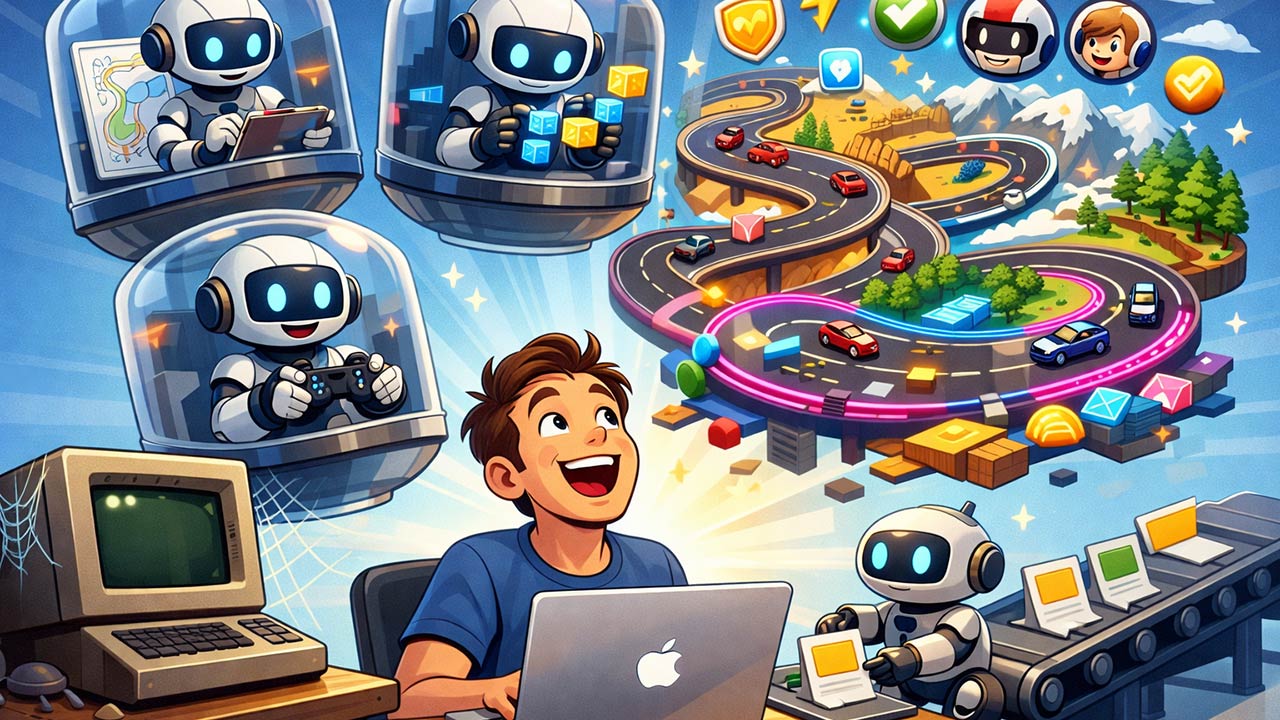
OpenAI just launched Frontier, an enterprise platform that lets companies build, deploy, and manage AI agents across their organizations. OpenAI calls them "AI coworkers" to shift the budget conversation. If enterprises treat agents like employees, AI spending moves from IT to operations. OpenAI gains access to a different budget holder and a larger addressable market. Continue Reading →

Google is Google for AI

Google's Gemini app now has more than 750 million MAUs (monthly active users), up from 650 million before the Gemini 3 launch in mid-November. CEO Sundar Pichai said Gemini 3 Pro "has seen the fastest adoption of any model in our history." Continue Reading →
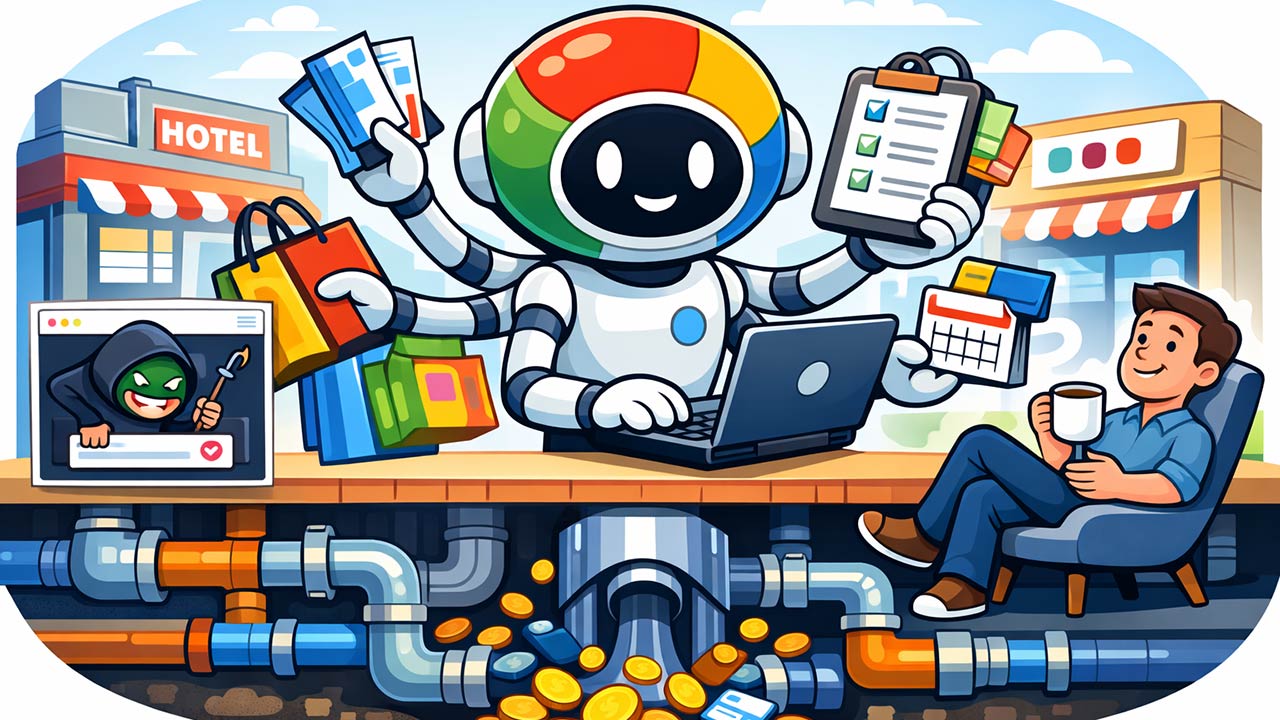
Chrome will now browse the web for you. Auto Browse, powered by Gemini 3, is an agentic feature that navigates websites, fills out forms, compares options, and completes multi-step tasks on your behalf. If you subscribe to Google AI Pro or Ultra, you can ask Chrome to research hotels, compare flight prices, schedule appointments, collect tax documents, or manage subscriptions while you do something else. Continue Reading →

Ads in ChatGPT

Here's an idea: let's announce that ChatGPT will begin testing sponsored content on Friday afternoon of MLK weekend. Nothing says "people are going to love this" like a holiday news dump. If you use the free tier or the new $8/month ChatGPT Go subscription, you'll start seeing sponsored content at the bottom of answers in the coming weeks. Continue Reading →
OpenAI just launched ChatGPT Health, a new feature that lets you connect your medical records and wellness apps directly to ChatGPT. The goal is to help you get personalized health insights grounded in your actual data. Continue Reading →
OpenAI admitted yesterday that prompt injection attacks, which occur when an AI encounters malicious instructions hidden in content it processes and treats them as commands, may never be fully solved. In other words, the same access that makes agents valuable is exactly what makes them dangerous. Continue Reading →