Blog

I write about technology, media, marketing and data science. Subscribe to my newsletter to make sure you don't miss anything.
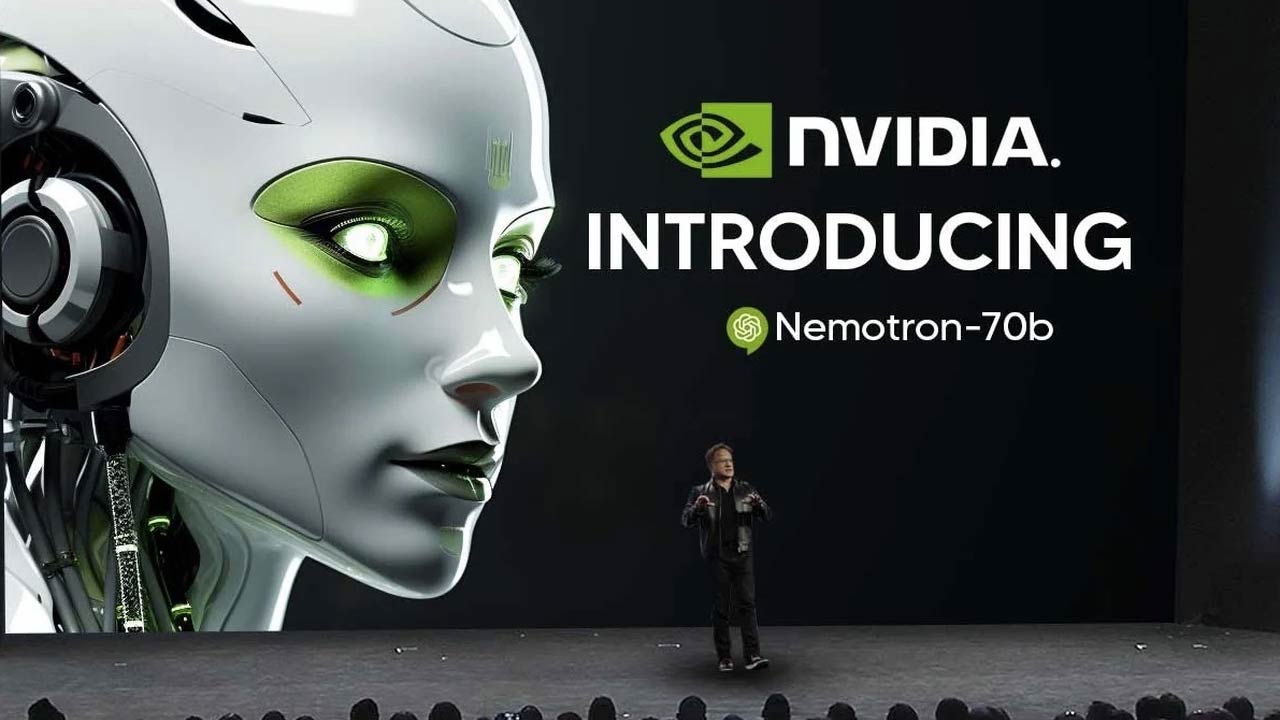
Last week, NVIDIA quietly unveiled a variation of Meta's Llama 3.1 model called "Llama-3.1-Nemotron-70B-Instruct." I didn’t expect the shockwaves it sent through the AI industry, thanks to its superior performance compared to established models like OpenAI’s GPT-4o and Anthropic’s Claude 3.5 Sonnet. Continue Reading →
Rag Options
Using proprietary data in AI workflows has the potential to transform brand marketing, but there aren't any one-size-fits-all solutions. To make matters worse, the field is filled with jargon and hype. I can't do much about the hype, but I can arm you with some high-level concepts to facilitate your AI-focused discussions. With that in mind, here's a brief overview of Retrieval-Augmented Generation (RAG), one of the most popular ways to incorporate your proprietary data into generative AI workflows. Continue Reading →
Google’s AI note-taking and research assistant, NotebookLM, has introduced a key update that allows users to guide AI-generated audio conversations that are more customized than the genAI podcasts that made NotebookLM famous a few weeks ago. Continue Reading →
A high school senior in Massachusetts is at the center of a legal dispute after being disciplined for using AI in a class assignment. His parents have filed a lawsuit against the history teacher, school district, and local school committee, arguing that the disciplinary actions taken against their son were unfair and not supported by the school's policies at the time of the incident. Continue Reading →

NYT Says No to Perplexity

The New York Times has put Perplexity.ai on notice: "Don't crawl our site, or else!" This is a little comical since Google has been crawling nytimes.com since the beginning of Google, but we need a distinction here. Two verbs, both terms of art: "to crawl," which means to systematically browse the web, index content, and then make it searchable through a search engine; "to scrape," which is the automated process of gathering information from the web to collect content from webpages. Continue Reading →
OpenAI has introduced "Swarm," an experimental framework designed to coordinate networks of AI agents. Though not an official product, Swarm provides developers with a blueprint for creating AI systems capable of autonomous collaboration on complex tasks. Continue Reading →

SearchGPT Comes To ChatGPT

SearchGPT
OpenAI plans to integrate SearchGPT into ChatGPT by the end of this year. Initially launched as a prototype in July, SearchGPT combines real-time search capabilities with conversational AI providing direct answers, summaries, and contextual insights as opposed to a list of links. The chat interface allows users to ask followup questions and the system links citations to the output ensuring transparency (and the preservation of link-based search). Continue Reading →

DOJ v Google

DOJ v Google
The U.S. Department of Justice (DOJ) has proposed significant measures to address Google's dominance in search, marking the biggest antitrust action since its 1999 case against Microsoft. The DOJ's goal is to reduce Google's control by potentially forcing it to divest key assets like Chrome and Android, both owned by Google's parent company, Alphabet Inc. Continue Reading →

Meta’s New AI Video Tools

Meta AI Tools
Meta has launched Movie Gen, a new AI-powered video creation tool for small businesses. Movie Gen allows users to generate video content from prompts, edit existing videos, and add synchronized sound effects and music. It will not be available for open developer use but is intended for collaboration with the entertainment industry and content creators. Continue Reading →

Get Briefed Every Day!

Subscribe to my daily newsletter featuring current events and the top stories in AI, technology, media, and marketing.

Subscribe