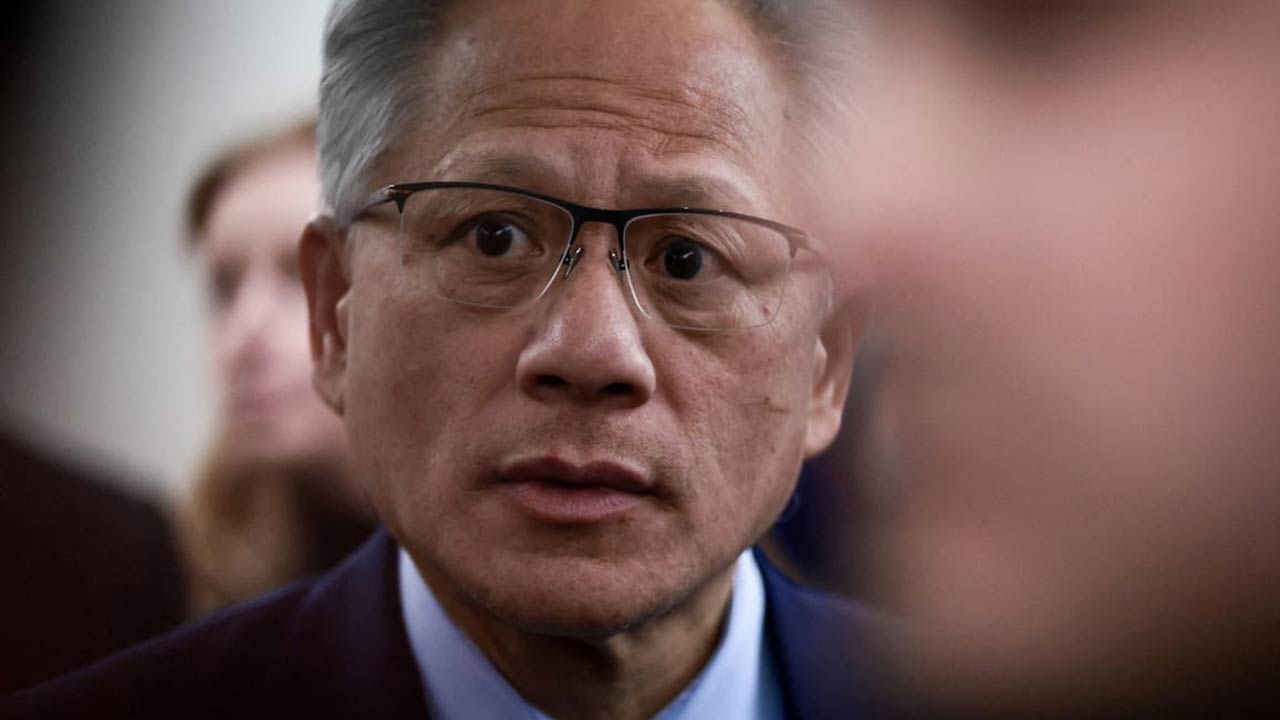
Yesterday, I asked what Nvidia looks like without Jensen Huang. Now comes another question: what will Congress learn about how the company was governed while he was running it?
House Foreign Affairs Committee Chairman Brian Mast says Huang agreed Wednesday to appear before lawmakers. The session is expected before Thanksgiving, behind closed doors, with video and a transcript. Bloomberg reports that he is expected to testify under oath. The arrangements were still being worked out Thursday.
Lawmakers want answers about Nvidia’s security protocols and Huang’s interactions with a woman reported to have ties to Chinese intelligence. Those allegations remain under investigation. Nvidia’s board said on November 8 that it had no reason to believe company secrets or national security had been compromised, while announcing an independent inquiry.
The testimony may help establish facts. It also raises questions every board should be asking about its own organization.
Who can challenge the person who built the company? Who can investigate a concern involving the CEO without asking the CEO’s permission? When a commercially important relationship creates a potential conflict, who decides whether the business can proceed?
These questions become harder when the executive has an extraordinary record of being right. How does a board distinguish earned confidence from excessive deference? At what point does the organization’s dependence on a founder make ordinary controls difficult to enforce?
Then there is the evidence. What information reaches directors? Who decides what they see? Can employees raise concerns without putting their careers at risk? Are exceptions documented, reviewed, and revisited, or do they become accepted practice because the business keeps growing?
A recorded, transcribed session may give investigators a detailed account. How much of it will become public? How will customers, partners, and shareholders distinguish established findings from allegations, political statements, and selective disclosures?
I have no predictions about what Huang will say or what investigators will find. We’ll just have to wait and see.
Author’s note: This is not a sponsored post. I am the author of this article and it expresses my own opinions. I am not, nor is my company, receiving compensation for it. This work was created with the assistance of various generative AI models.
About Shelly Palmer
Shelly Palmer is the Professor of Advanced Media in Residence at Syracuse University’s S.I. Newhouse School of Public Communications and CEO of The Palmer Group, a consulting practice that helps Fortune 500 companies with AI strategy, implementation and governance, as well as technology, media and marketing. Named one of LinkedIn’s Top Voices in Technology, he is a bestselling author, covers tech and business for Fox 5’s Good Day New York, is a regular commentator on CNN, and writes the popular daily business blog Think About This. Follow @shellypalmer or visit shellypalmer.com.