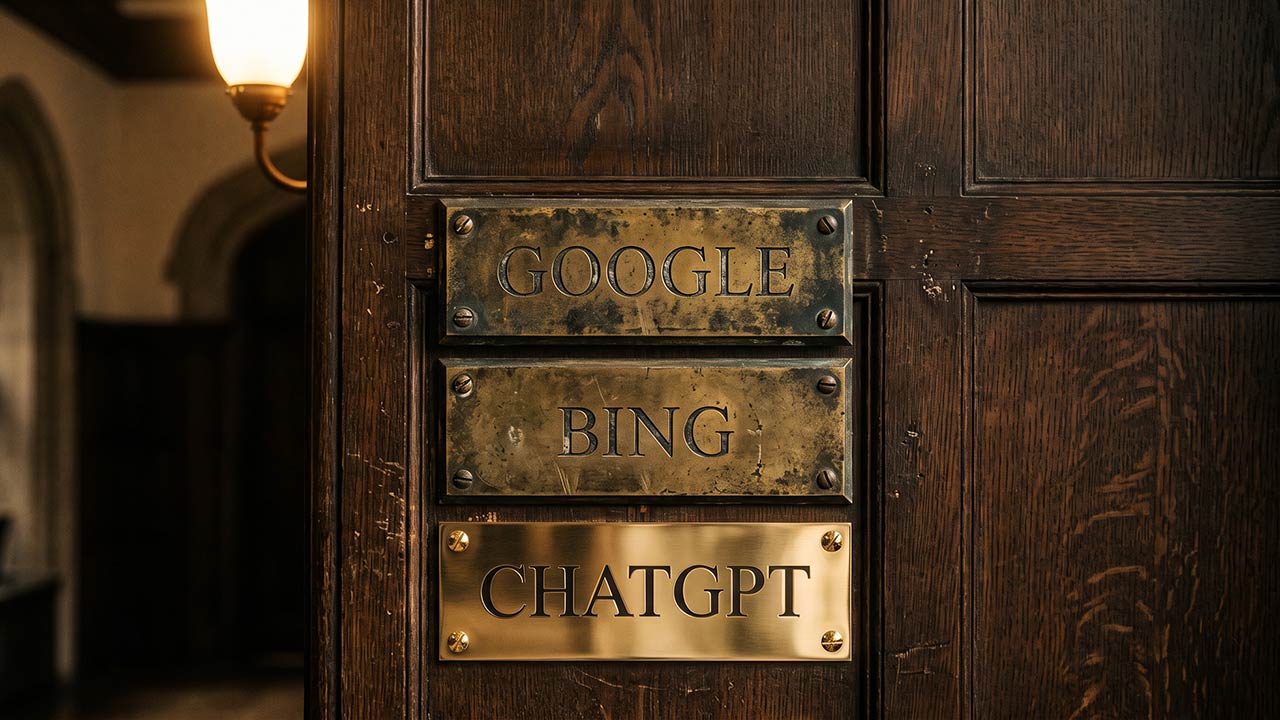
Yesterday, the European Commission designated ChatGPT a Very Large Online Search Engine under the Digital Services Act, making it the first AI chatbot to enter the category. Reddit and Roblox were designated Very Large Online Platforms on the same day. The threshold for designation is 45 million average monthly users in the EU. According to OpenAI’s own DSA disclosure, ChatGPT search had approximately 159.1 million average monthly active recipients in the EU for the six months ending March 31 (roughly three and a half times the bar).
The designation starts a four-month compliance clock, which the Commission says runs to January 2027. ChatGPT must assess and mitigate the systemic risks tied to its service and its algorithmic systems (the Commission’s list covers illegal content, negative effects on minors, users’ physical and mental well-being, fundamental rights, electoral processes, and public security); submit to an independent audit at least once a year; and provide relevant data to the Commission, national authorities, and vetted researchers. Where applicable, it must also offer a recommender option not based on profiling and maintain a public ad repository. The designation is a regulatory classification based on service type and reach. Enforcement is a separate process.
The Commission’s rationale calls ChatGPT a hybrid service that qualifies as an online search engine because it responds to prompts and queries in part by searching the web. The EU’s entire Very Large Online Search Engine List has been Google Search and Bing since the first designations in April 2023, so this is kind of a big deal.
I have several problems with this designation, most of which stem from technical differences between ChatGPT search, Google AI mode, and traditional Google search. I’m also wondering why the EU, whose primary innovation strategy is to sue successful tech companies, is allowed to impose its will on the rest of the free world. (Not that we’re doing a better job.)
Every company needs a Claw strategy. Do you have one?
Author’s note: This is not a sponsored post. I am the author of this article and it expresses my own opinions. I am not, nor is my company, receiving compensation for it. This work was created with the assistance of various generative AI models.
About Shelly Palmer
Shelly Palmer is the Professor of Advanced Media in Residence at Syracuse University’s S.I. Newhouse School of Public Communications and CEO of The Palmer Group, a consulting practice that helps Fortune 500 companies with AI strategy, implementation and governance, as well as technology, media and marketing. Named one of LinkedIn’s Top Voices in Technology, he is a bestselling author, covers tech and business for Fox 5’s Good Day New York, is a regular commentator on CNN, and writes the popular daily business blog Think About This. Follow @shellypalmer or visit shellypalmer.com.