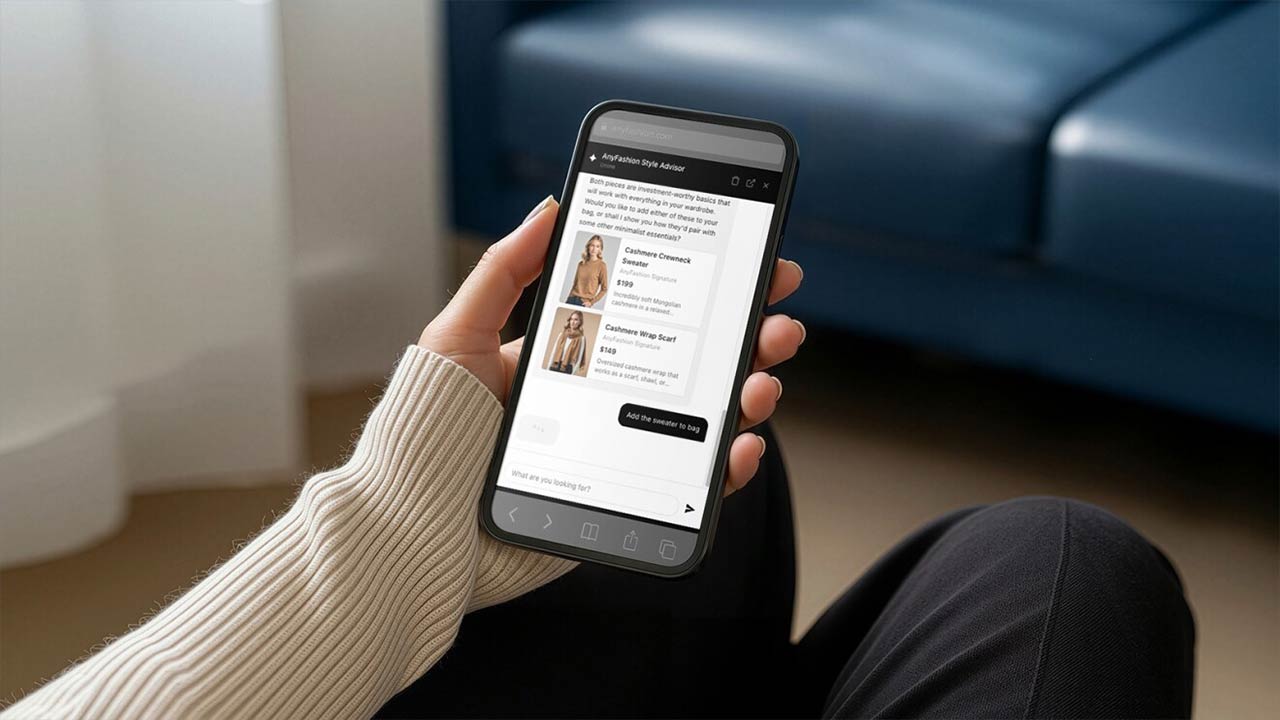
Amazon Web Services just announced the Agentic Shopping Assistant (ASA): a packaged version of the technology behind Amazon’s own shopping assistant, now offered to other retailers. The service lets competitors launch their own AI shopping assistants in about 60 days using Amazon’s architecture, starter code, and AWS engineers. The most prominent early example is Kate Spade, owned by Tapestry, which launched an AI-powered gift concierge in April.
This is the same playbook Amazon used to build AWS two decades ago. Build technology to solve your own problems, package it as a service, then sell it to everyone else.
Retailers running ASA will run their AI shopping on Amazon’s rails (Bedrock, AgentCore, OpenSearch). Amazon gets the hosting fees, the dependency relationship, and a say in the standard for agentic commerce. Retailers get an AI assistant that knows their catalog, understands their brand voice, and processes customer requests.
Most retailers lack the engineering resources to compete with Amazon. The 60-day deployment timeline (which sounds ambitious) makes this classic “build vs. buy” decision even easier.
Amazon’s own assistant drove nearly $12 billion in incremental sales last year across 300 million users. ASA will succeed because it’s Amazon. The moat is Amazon’s extraordinary network effect; the tech is almost beside the point. Almost.
Every company needs a Claw strategy. Do you have one?
Author’s note: This is not a sponsored post. I am the author of this article and it expresses my own opinions. I am not, nor is my company, receiving compensation for it. This work was created with the assistance of various generative AI models.
About Shelly Palmer
Shelly Palmer is the Professor of Advanced Media in Residence at Syracuse University’s S.I. Newhouse School of Public Communications and CEO of The Palmer Group, a consulting practice that helps Fortune 500 companies with AI strategy, implementation and governance, as well as technology, media and marketing. Named one of LinkedIn’s Top Voices in Technology, he is a bestselling author, covers tech and business for Fox 5’s Good Day New York, is a regular commentator on CNN, and writes the popular daily business blog Think About This. Follow @shellypalmer or visit shellypalmer.com.