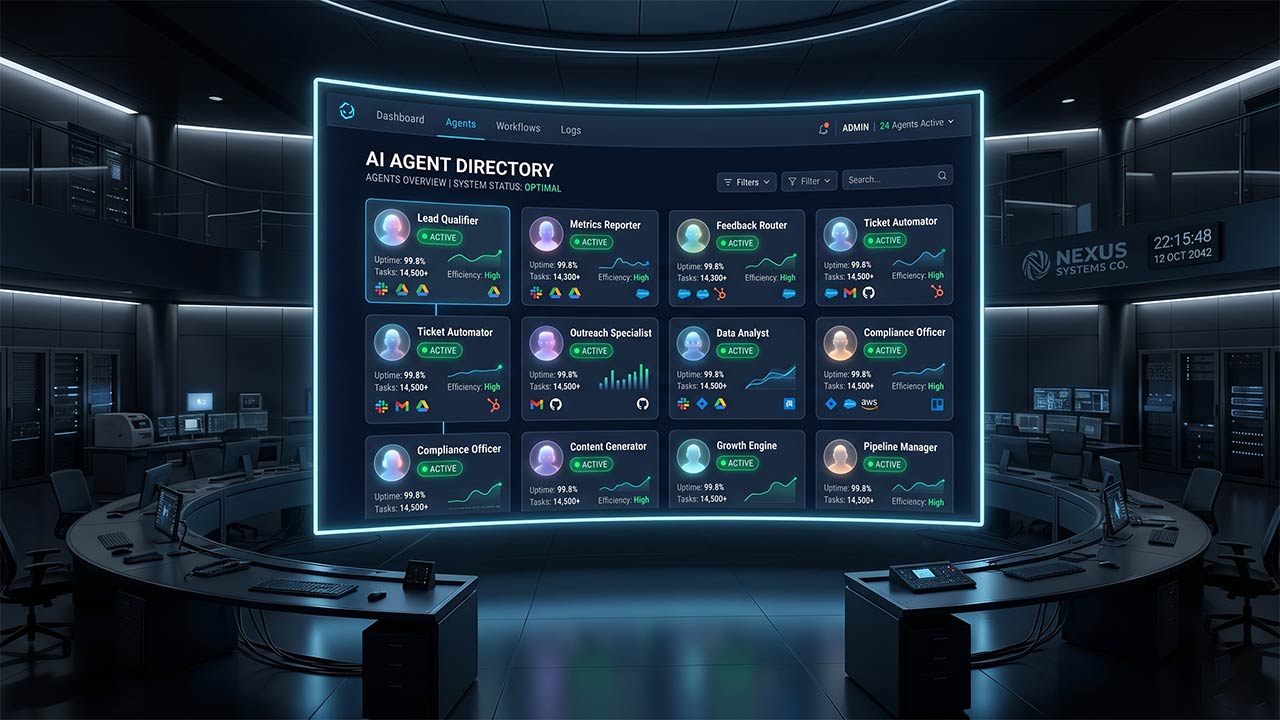
OpenAI launched “workspace agents” in ChatGPT yesterday, available as a research preview for Business, Enterprise, Edu, and Teachers plans. Powered by Codex, these persistent, autonomous agents run in the cloud, integrate with ChatGPT and Slack, and handle complex workflows across tools and teams. OpenAI describes them as “an evolution of GPTs,” with existing Custom GPTs eventually convertible into full workspace agents.
According to Decrypt, enterprise accounts for more than 40% of OpenAI’s revenue, paying business users hit 9 million in February (up from 5 million in August), and total annualized revenue reached $25 billion. Fortune reports that OpenAI projects $280 billion in revenue by 2030, contingent on agents becoming the default enterprise interface.
I like the superapp strategy. Unify ChatGPT, Codex, agentic browsing, and data connectors into one “agent-first” experience with native connectors for SharePoint, Google Drive, GitHub, and Box. I also like the GPT-to-agent upgrade path. Millions of Custom GPTs already exist, and offering autonomous upgrades puts all of that existing user investment to work.
OpenAI’s workspace agents launched the same day Google released competing agent announcements at Cloud Next, including Workspace Studio, a no-code platform for building AI agents across Gmail, Docs, Sheets, and Drive. Anthropic has developer trust and its own agent pricing model; Microsoft has 400 million commercial Office 365 seats. Nobody has won yet.
Security deserves more scrutiny. Agents that read your emails, browse the web, fill out forms, and take actions on your behalf create attack surfaces fundamentally different from chatbot misuse. Embedded prompt injection that directs an agent to exfiltrate files is a new category of risk.
Every company needs a Claw strategy. Do you have one?
Author’s note: This is not a sponsored post. I am the author of this article and it expresses my own opinions. I am not, nor is my company, receiving compensation for it. This work was created with the assistance of various generative AI models.
About Shelly Palmer
Shelly Palmer is the Professor of Advanced Media in Residence at Syracuse University’s S.I. Newhouse School of Public Communications and CEO of The Palmer Group, a consulting practice that helps Fortune 500 companies with AI strategy, implementation and governance, as well as technology, media and marketing. Named one of LinkedIn’s Top Voices in Technology, he is a bestselling author, covers tech and business for Fox 5’s Good Day New York, is a regular commentator on CNN, and writes the popular daily business blog Think About This. Follow @shellypalmer or visit shellypalmer.com.