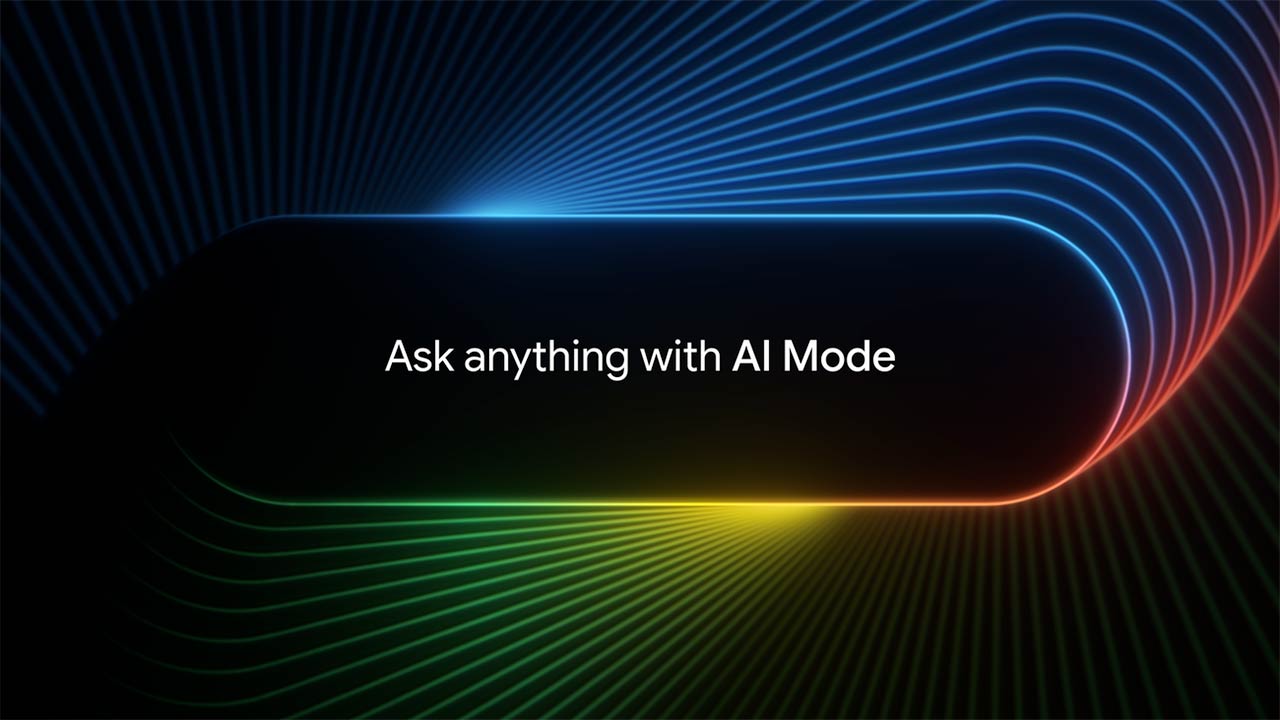
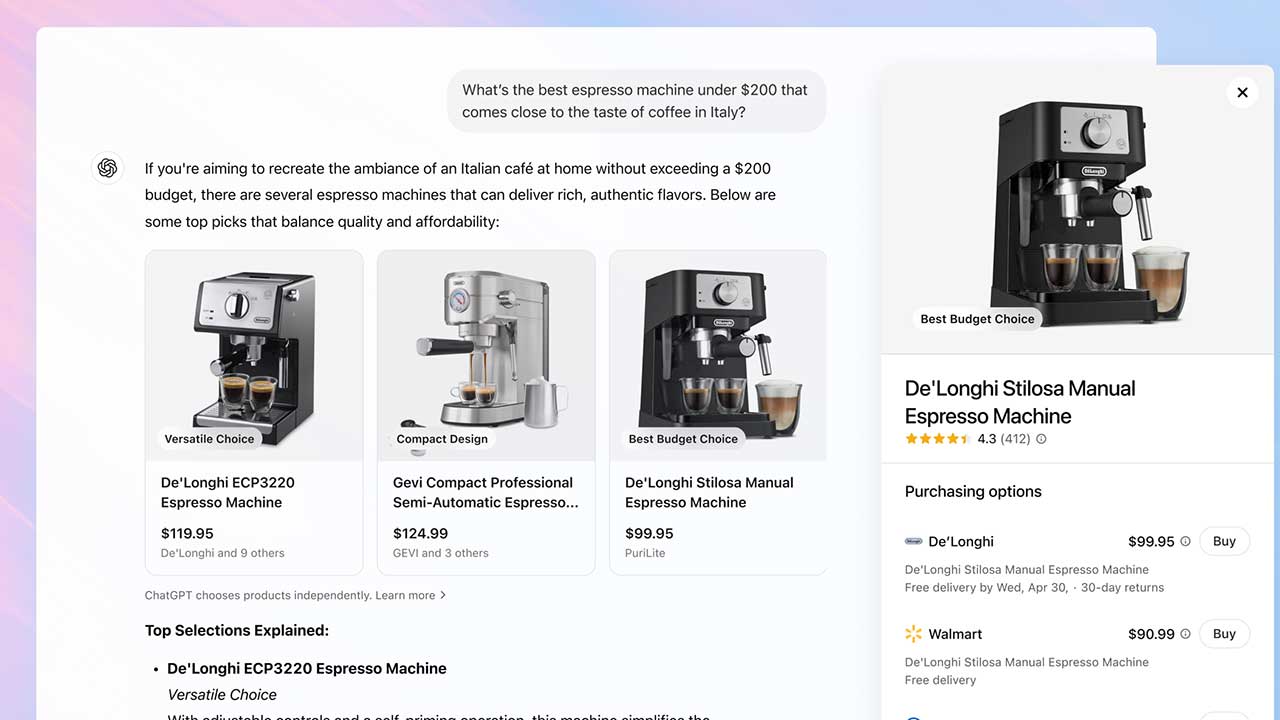
Google is moving its experimental AI Mode out of the lab and into the real world. Beginning in the coming weeks, a small percentage of U.S. users will see a new AI Mode tab. Instead of a list of links, AI Mode delivers a conversational answer generated from Google’s index, effectively turning Search into a Gemini‑powered chatbot. Continue Reading →
Google is just about to drop Veo, a video generation model that can create high-quality 1080p footage from text, image, and video prompts. Announced at Google I/O, Veo outputs cinematic shots with accurate physics, realistic motion, and a surprising grasp of visual storytelling — all from a short prompt. Continue Reading →
Greetings from Sin City. I'm here at Google Cloud Next 25—where it's all AI, all the time. Google made so many announcements yesterday that it wouldn’t be useful to list them all, but here’s what’s most likely to impact how you spend your day. Continue Reading →
Greetings from Las Vegas. Google ended its Leaders Circle with a spectacular event at the Sphere—we were treated to a preview of a "making of" video for the upcoming release of The Wizard of Oz, reimagined by Sphere Studios in partnership with Google Cloud, Google DeepMind, Magnopus, and Warner Bros. It was truly awesome. Continue Reading →
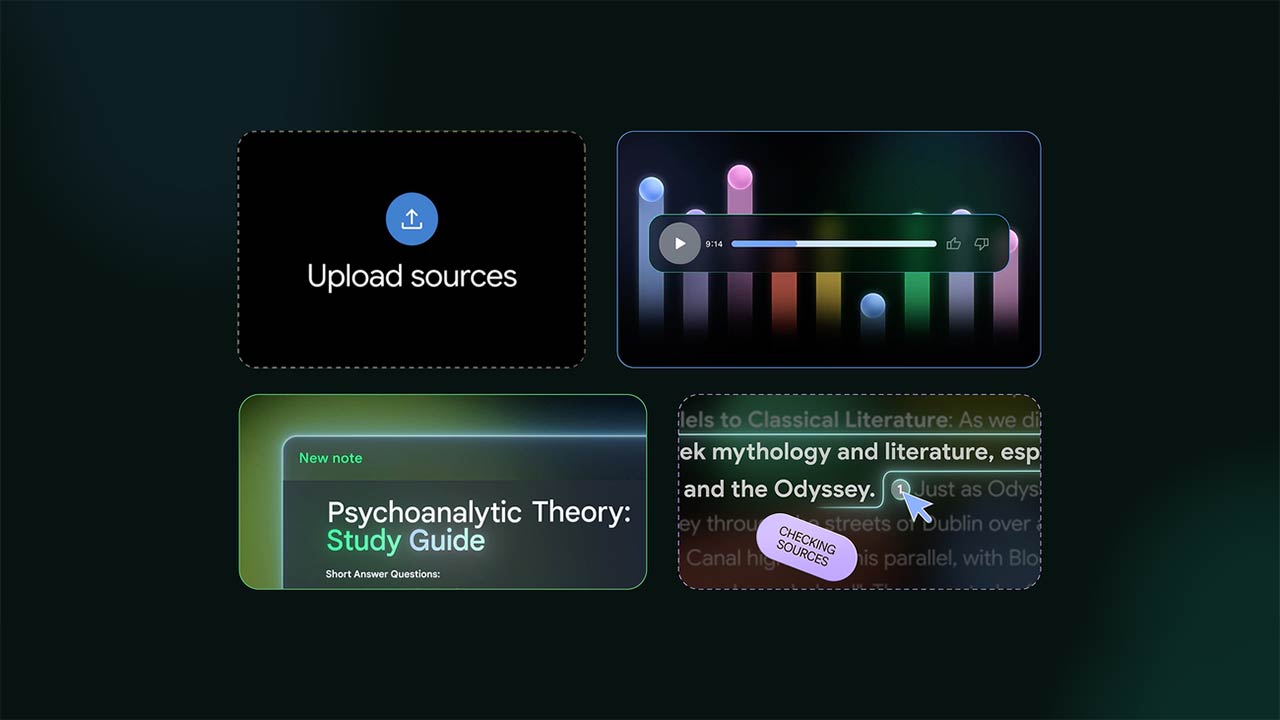
Google launched "Discover Sources," a new feature that lets NotebookLM search the web directly within your notebooks—and I'm already addicted. This feature helps you find relevant web content by simply describing your topic, after which NotebookLM searches and summarizes the most relevant sources, which you can add to your notebook with one click. Continue Reading →
Google unveiled Gemini 2.5 yesterday, marking their most significant advancement in AI reasoning models to date. The new family of AI models pauses to "think" before answering questions – a capability that puts Google in feature parity with OpenAI's "o" series, Deepseek's R series, Anthropic, xAI, and other reasoning models. Continue Reading →
Last week, Google and OpenAI asked the White House for permission to train AI on copyrighted content, arguing that restrictive laws will cripple U.S. innovation while China advances unchecked. Their case: AI doesn’t copy; it learns patterns and creates something new. That’s fair use, they claim—the same principle that powers search engines and chatbots. Continue Reading →
It was the best of search, it was the worst of search. It was the age of instant answers, it was the age of disappearing links. It was the epoch of personalization, it was the epoch of lost discovery. It was the season of AI-driven clarity, it was the season of algorithmic opacity. It was the spring of conversational commerce, it was the winter of ten blue links. Continue Reading →