Mistral AI, a French startup backed by Microsoft, has introduced Codestral, its first generative AI coding assistant, which supports over 80 programming languages, including mainstream languages such as Java, Python, C++, JavaScript, and more niche ones like Swift, and Fortran. Codestral is entering a competitive market dominated by platforms like GitHub Copilot and Code Llama. Continue Reading →

Let's talk about the new ChatGPT powered by GPT-4o. There are some things it does extremely well. If you drag a dense spreadsheet of employee data into the chat window and ask the model what you can learn about the file, you're going to get some good results. Give the model some variables in a well-crafted pre-prompt, and you'll get basically the same results you'd expect from GPT-4, but a bit faster. That's where the party ends. Continue Reading →
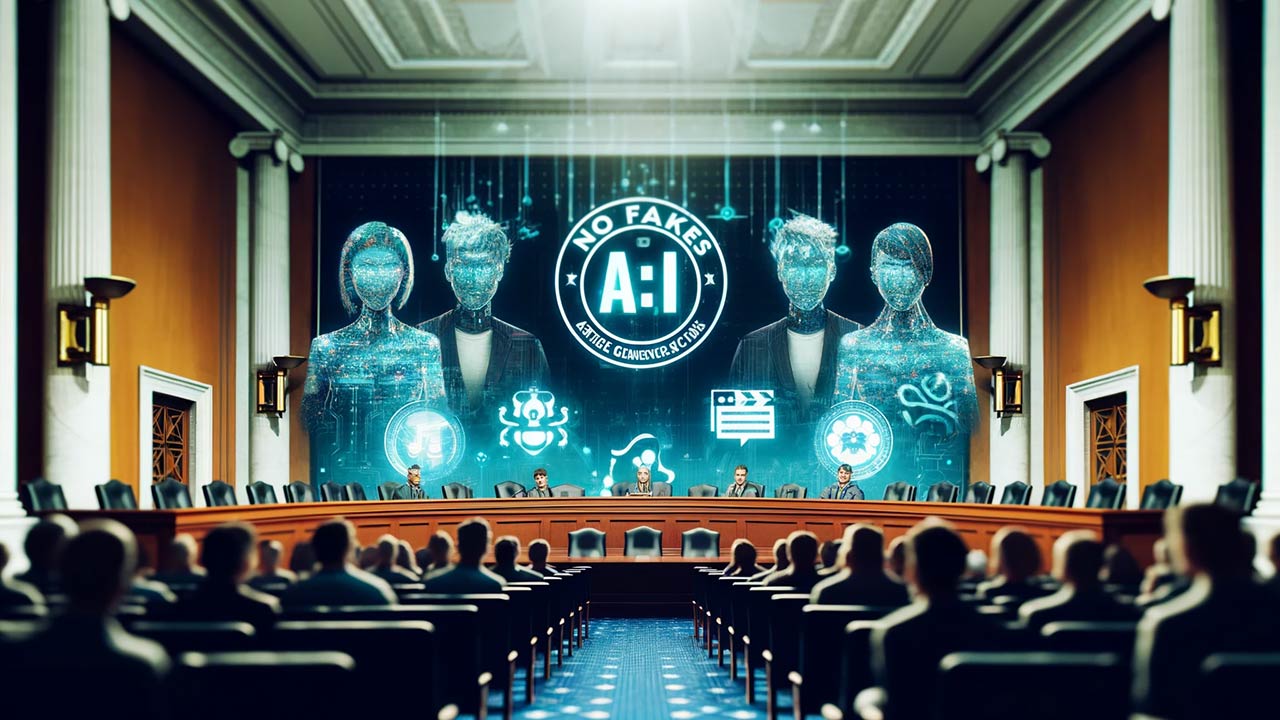
A bipartisan effort is underway in Washington to introduce the NO FAKES Act, aimed at regulating the use of artificial intelligence in the entertainment industry. Senators Chris Coons (D-DE), Amy Klobuchar (D-MN), Marsha Blackburn (R-TN), and Tom Tillis (R-NC) are spearheading this initiative, addressing growing concerns about AI-generated replicas of artists' voices and likenesses. Continue Reading →
NewsCorp and OpenAI have announced a multi-year partnership that will enable OpenAI to access NewsCorp’s vast array of content, including articles from prestigious publications such as The Wall Street Journal, The Times, and The Sunday Times. Continue Reading →
As you probably know, Google has started rolling out AI summaries called "AI Overviews" in search results. Now, they are about to start testing search and shopping ads within AI Overviews in the U.S. The ads will be displayed in a "sponsored" section and will be relevant to both the query and the information in the AI Overview. Continue Reading →
Scarlett Johansson has accused OpenAI of stealing her voice for GPT-4o. Johansson claims that OpenAI's "Sky" voice is "eerily similar" to her own and that she was approached by OpenAI CEO Sam Altman to voice the system, but declined. Continue Reading →
Evidently, Slack (my favorite corporate comms app) has been scanning user messages to train its AI models. The issue was highlighted in a recent tweet from Corey Quinn. Slack's strangely worded AI policy basically says that all Slack users are automatically opted in to its AI training unless the corporate system administrator opts out for your whole company. In other words: individual users cannot opt out by themselves. Continue Reading →
A Senate working group has proposed $32 billion in annual funding for AI programs, covering a wide range of areas from infrastructure to national security risk assessments. In theory, this "roadmap" sets the stage for future legislation, identifying key investment areas to keep the US competitive in the global AI landscape. Continue Reading →