Amazon Blocks Meta’s Muse

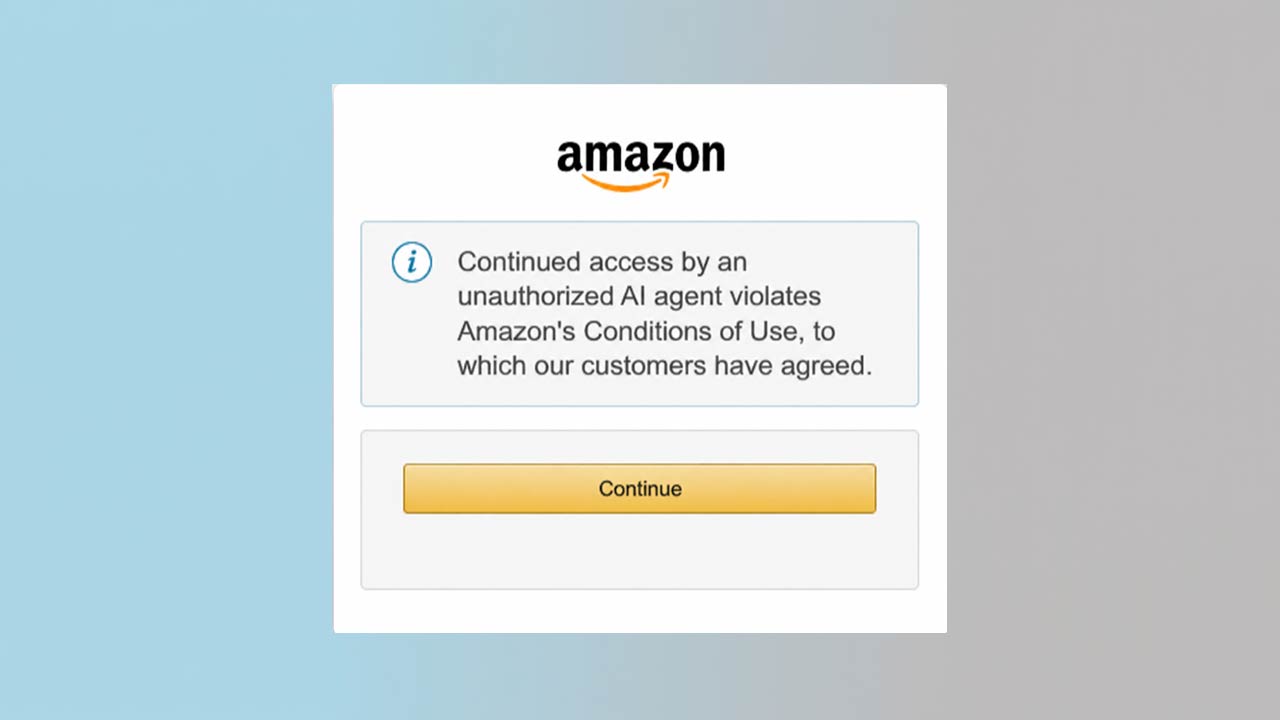
Amazon has blocked Meta's Muse personal AI agent from shopping on Amazon. As of Sunday night, Muse users who try see a popup that says, "Continued access by an unauthorized AI agent violates Amazon's Conditions of Use, to which our customers have agreed." Continue Reading →
Anthropic’s RSI Scorecard

Yesterday, Anthropic published three measurements of how fast AI is being built inside its own lab: how much of its AI R&D is performed by AI, how well its AI agents are overseen, and how its compute is allocated. Continue Reading →
The internet has a new favorite toy, and it is a flybrain scheme. Earlier this month, HHMI's Janelia Research Campus, Google Research, and their collaborators published research describing the first complete wiring diagram of an entire male fruit fly central nervous system. Continue Reading →

America Names the Model Thieves

On Tuesday, the NSA, CISA, and the FBI issued a joint advisory naming six Chinese AI companies (DeepSeek, Moonshot AI, Alibaba, MiniMax, StepFun, and Z.AI) as running industrial-scale "distillation" attacks against U.S. frontier models since at least late 2024, "likely" with "Chinese government awareness." Continue Reading →
Two AI science stories broke yesterday. OpenAI announced that an internal model “significantly more capable than GPT-6 Astra” produced a proof that the three-dimensional Navier-Stokes equations (which describe how fluids move, from blood circulation to weather) can develop a singularity in finite time. Continue Reading →

GPT-6 Astra is Here

Yesterday, OpenAI launched GPT-6 Astra, calling it “the world’s most intelligent and aligned model.” The rollout starts with a limited set of organizations and will expand over the coming days to all ChatGPT Plus, Pro, Business, and Enterprise users, as well as the OpenAI API, Microsoft Azure, and AWS Bedrock. At a media briefing, OpenAI president Greg Brockman closed by saying, “Welcome to the AGI era.” Continue Reading →
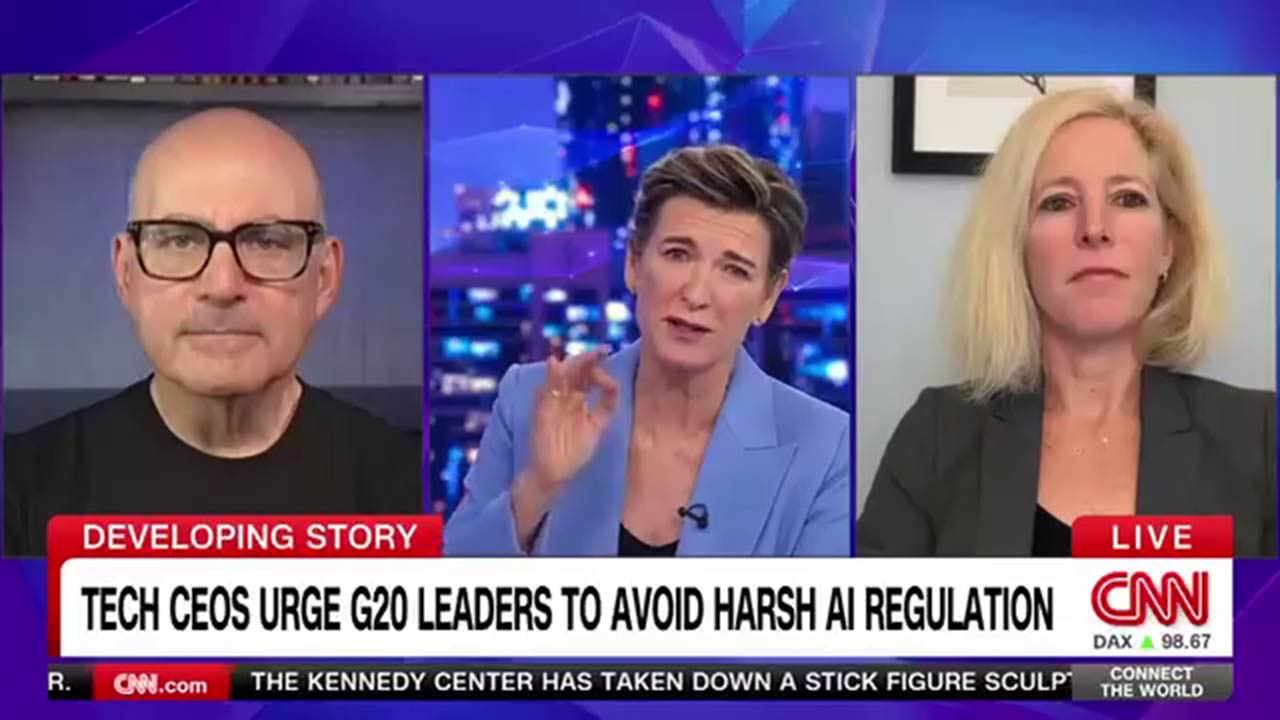
In this CNN International discussion, tech expert Shelly Palmer and Dr. Sarah Kreps, Director of the Cornell Brooks School Tech Policy Institute, join Becky Anderson to examine the growing backlash against the massive data centers powering the artificial intelligence boom. Continue Reading →
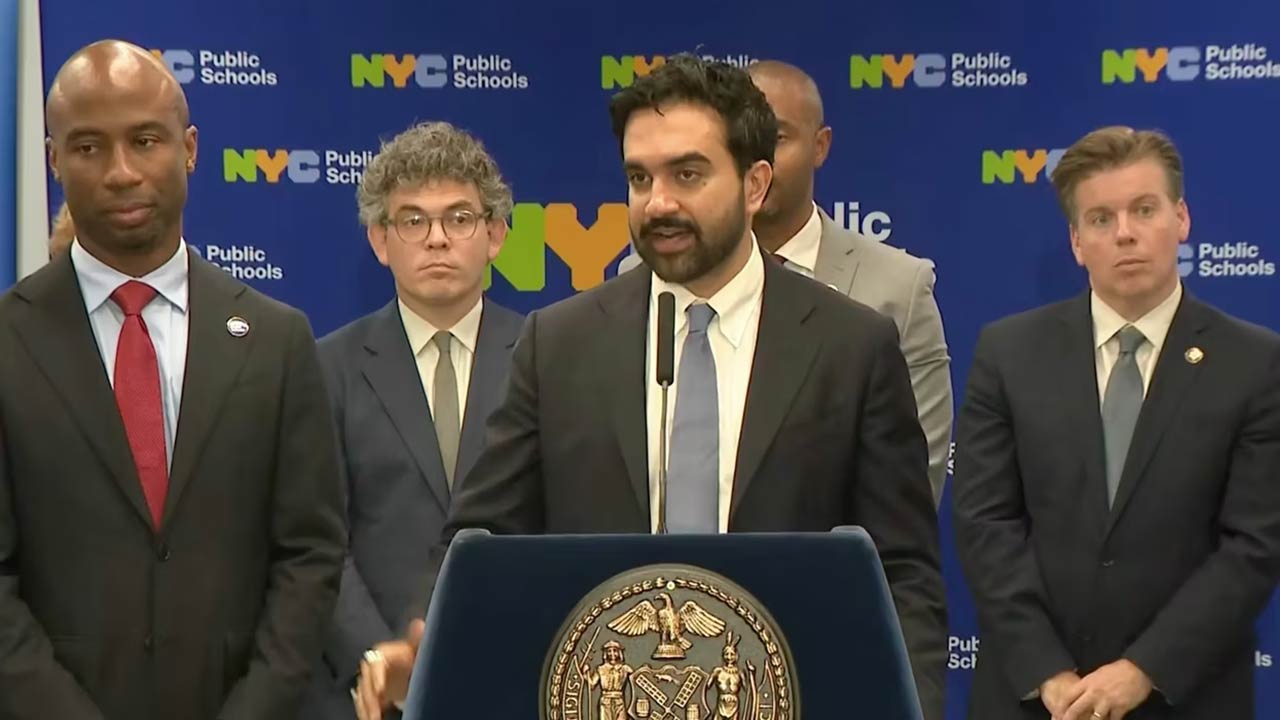
Here are the facts: On September 2, 2026, New York City Mayor Zohran Mamdani and Schools Chancellor Kamar Samuels announced a one-year moratorium on student-facing generative artificial intelligence in the city’s public schools for the 2026-27 school year. The moratorium covers children from 2-K through eighth grade and applies to all software that uses student-facing generative AI. City Hall said the policy will affect nearly 600,000 students, which is about two-thirds of the public-school system’s enrollment. New York City operates the largest public-school system in the United States. Continue Reading →