Cloudflare CEO Matthew Prince just predicted that AI bot traffic will exceed human traffic online by 2027. His company powers approximately 20% of all websites and is used by approximately 80% of websites that employ a reverse proxy service, so he has the data to back this claim. Continue Reading →
eBay updated its User Agreement this week to explicitly ban third-party AI agents from making purchases without permission. The new terms, effective February 20, prohibit "buy-for-me agents, LLM-driven bots, or any end-to-end flow that attempts to place orders without human review." Continue Reading →
OpenAI launched "shopping research" in ChatGPT yesterday, a feature that generates personalized buyer's guides by synthesizing product information from across the web. The timing (Black Friday week) is deliberate; OpenAI is betting it can become the starting point for purchase decisions. Continue Reading →
Google released a new shopping feature that confirms what we talked about in last week's Agentic Browser Wars essay: Google is moving from search to action. The update lets users skip the cart step and go directly to checkout from Google Shopping. Google calls this “agentic checkout.” Continue Reading →
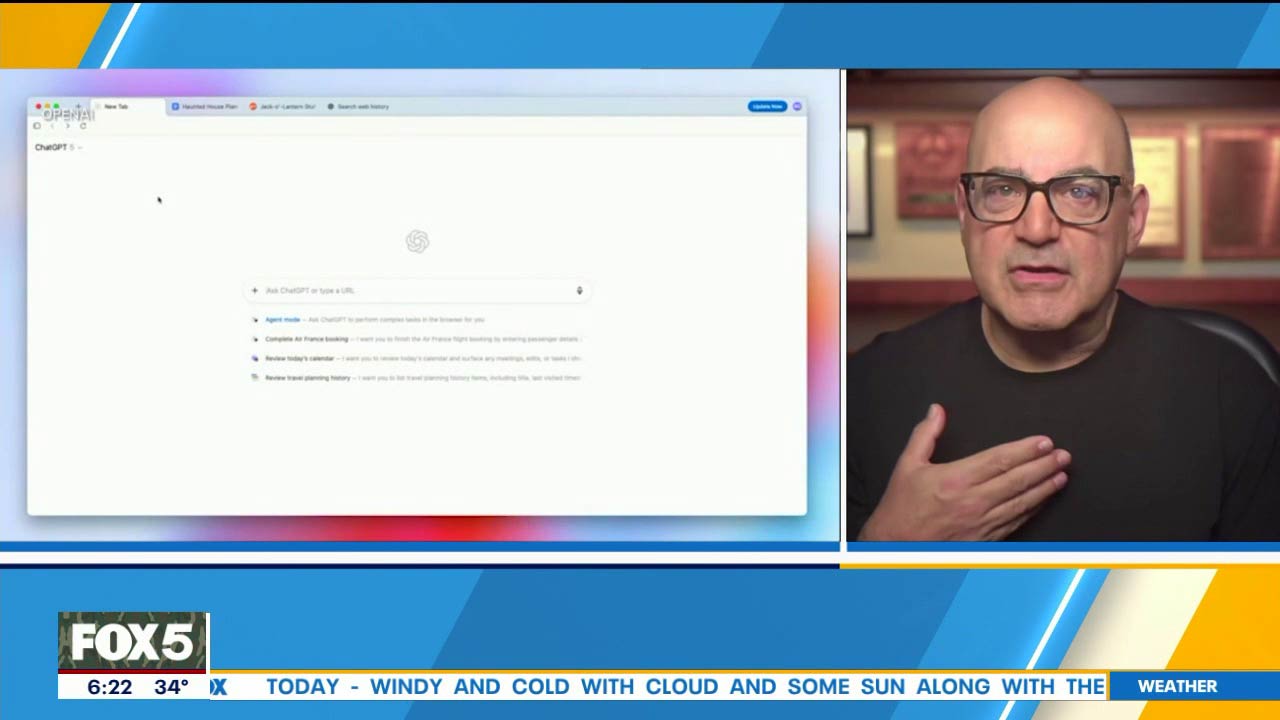
OpenAI’s new AI-powered browser, Atlas, is changing the way we shop, search, and interact online. Tech expert Shelly Palmer joins Fox 5 New York to explain how agentic browsers—tools that can act on your behalf—are transforming e-commerce and the future of the web. Instead of just searching for information, Atlas can find the best deals, locate nearby stores, and even fill your online cart. But should we trust AI with our wallets? Shelly breaks down how AI-driven shopping agents work, what this means for Google’s dominance, and how “agentic systems” could redefine our digital lives. Continue Reading →
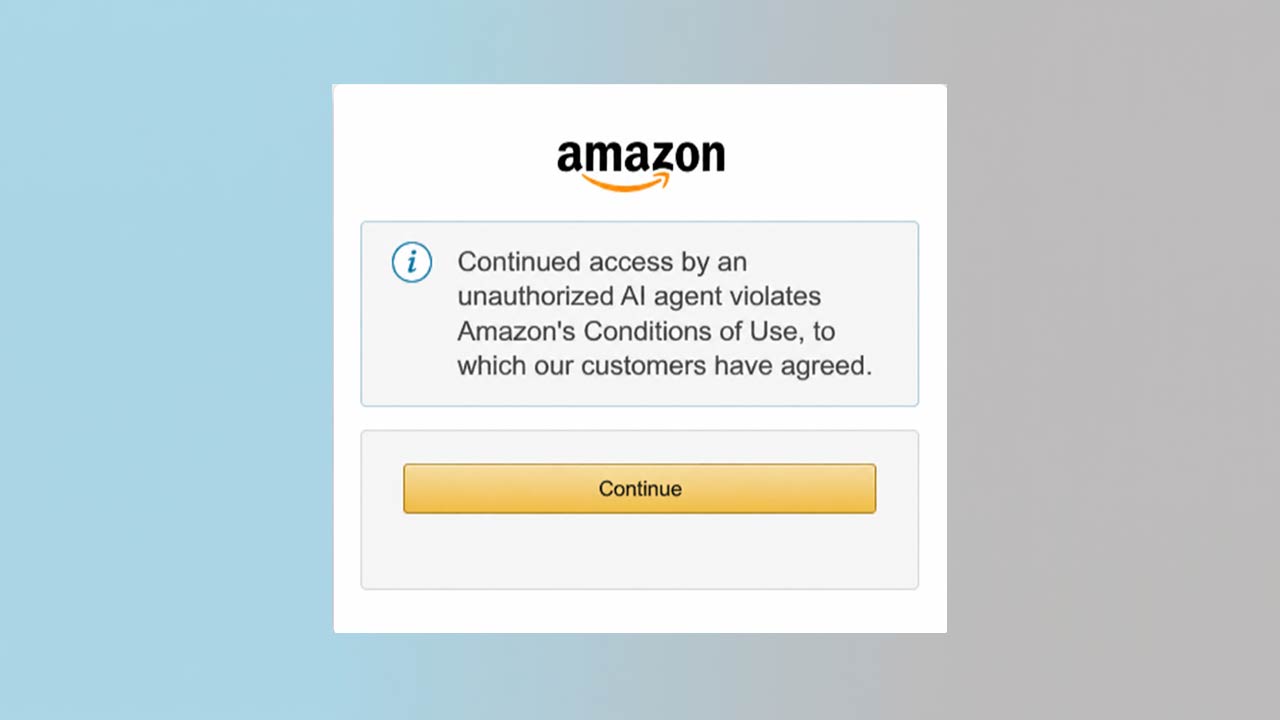
Amazon has formally asked Perplexity to remove its “Comet” shopping agent from Amazon’s platform. The company released a statement on November 4, citing repeated requests that Perplexity stop allowing users to make purchases through Amazon. A cease-and-desist letter sent on October 31 argues that Comet’s behavior violates Amazon’s terms of service and creates a “significantly degraded shopping and customer service experience.” Continue Reading →
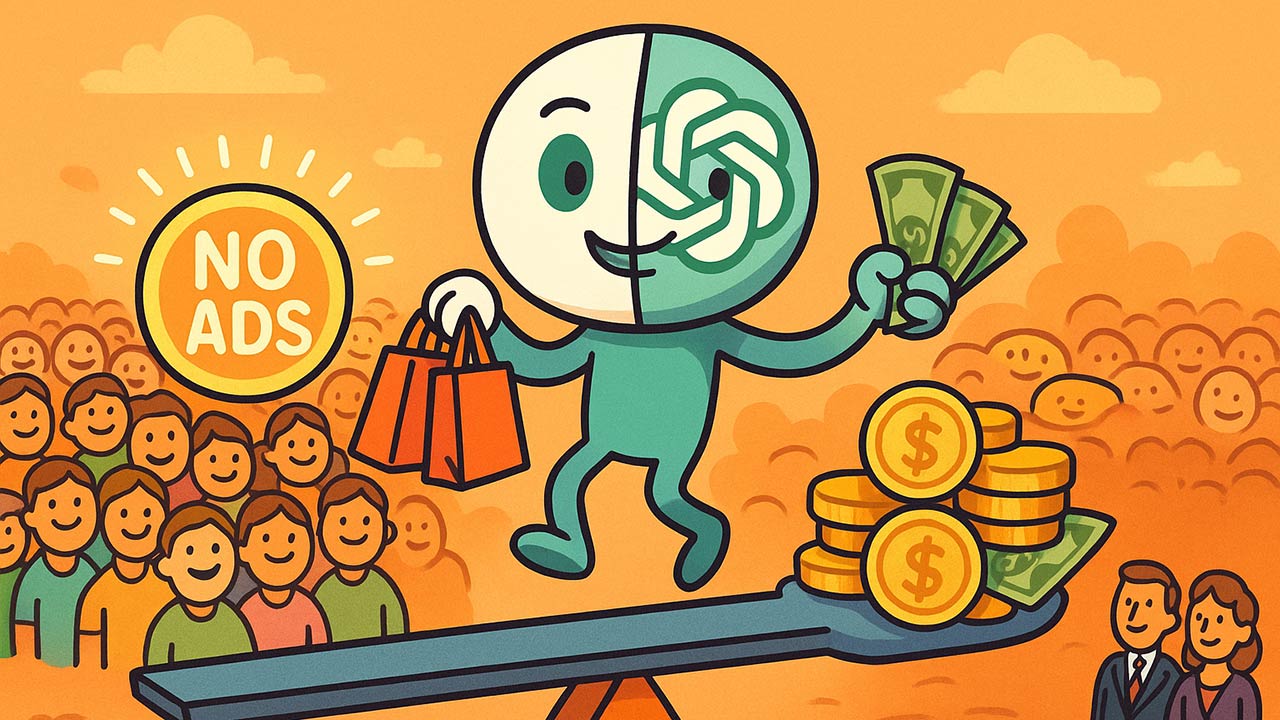
As you know, OpenAI doesn't make any money – the vast majority of their 700 million weekly active users do not pay for the service – so it was just a matter of time before they figured out how to put up a tollbooth in every commerce-oriented prompt result. Continue Reading →
ChatGPT head Nick Turley just admitted what every tech executive already knows: even 700 million weekly active users can't make the math work without ads. In an interview on Decoder, Turley said he's "humble enough not to rule it out categorically," though he hedged that OpenAI would need to be "very thoughtful and tasteful" about how ads could be integrated into ChatGPT. Continue Reading →
This week has been full of hands-on AI experiments. Yesterday, we built a web-based “Yiddish Curse Generator” in under 10 minutes by simply describing it to Claude Code. Today, we’re hunting for Prime Day deals, not by browsing Amazon, but by asking ChatGPT (or any AI platform with web access) to find exactly what we want. Continue Reading →