Data Science

Posts about Data Science. Subscribe to my newsletter to make sure you don't miss anything.

Apple WWDC 24 AI Summary

iOS18
Apple unveiled a suite of AI features aimed at transforming its entire ecosystem. The Apple Intelligence initiative introduces a conversational Siri, custom AI-generated “Genmoji,” and GPT-4o integration. Coming this fall, the new macOS Sequoia and iOS 18 will feature advanced AI functionalities and customizable home screens. Unsurprisingly, these features will only work on late model iPhones (15 Pro and 15 Pro Max) and Macs and iPads with M1 chips and above. Here's a quick summary. Continue Reading →
Ed Sheeran
In May 2023 there was a big verdict in the world of copyright law. The decision? Ed Sheeran's 2014 hit, "Thinking Out Loud," did not infringe on Marvin Gaye's and Ed Townsend's 1973 hit, "Let's Get It On." As I will explain in a moment, from a musical standpoint, this was the only possible outcome. The copyright laws were applied as expected, and human composers in the United States are free to compose as they have been doing for centuries. But what about AI? Is it free to compose? Let's explore. Continue Reading →
Evidently, Slack (my favorite corporate comms app) has been scanning user messages to train its AI models. The issue was highlighted in a recent tweet from Corey Quinn. Slack's strangely worded AI policy basically says that all Slack users are automatically opted in to its AI training unless the corporate system administrator opts out for your whole company. In other words: individual users cannot opt out by themselves. Continue Reading →
AI Annotation
Where does AI training data come from? You may have been told that Large Language Models (LLMs) are trained on vast amounts of text data scraped from the public web. This is true, but it isn't the whole story. Simply scraping the web and dumping data into a database isn't enough to produce a high-performing LLM. For that, the models need domain-specific knowledge which, at the moment, is mostly done by employing a bunch of subject matter experts to evaluate the data via a process known as annotation. Let's review. Continue Reading →
External Signals
Big foundational models like GPT-4, Gemini, Claude, and Llama -- aka large language models or "LLMs" -- are awesome, but they are not experts in your business. They are also available to all of your competitors, so creating competitive advantage requires you to train your subject matter experts to get the most out of the AI and to augment your LLMs to be as relevant to your business as possible. One of the most effective ways to augment an LLM is with the addition of external signals, which are various types of real-world data and information that can be used to influence and improve the performance and relevance of LLMs. Let's take a high-level look at how external signals can transform LLMs, making them more relevant, responsive, and ultimately, more useful. Continue Reading →
We're starting to see a disturbing trend emerging as generative AI content starts to infiltrate Reddit. ReplyGuy is a blatant example, advertising itself as a tool that simulates human interaction to seamlessly insert product mentions into Reddit discussions. ReplyGuy is one of dozens of such services. Continue Reading →
CAIO
About half of our clients have created CAIO roles for their leadership teams, the other half have good arguments against doing so. Do you need a CAIO? Here are some pros and cons and a few thought starters to help you decide. Continue Reading →
Synthia
What would it take to build your company's first synthetic employee? What AI models could you use? How much data will it require? What about compute power? Electricity? Technical resources? Security? Legal? Risk? Ethics? Is the idea simply too crazy to think about now? Should you just wait until someone invents artificial general intelligence (AGI)? Continue Reading →
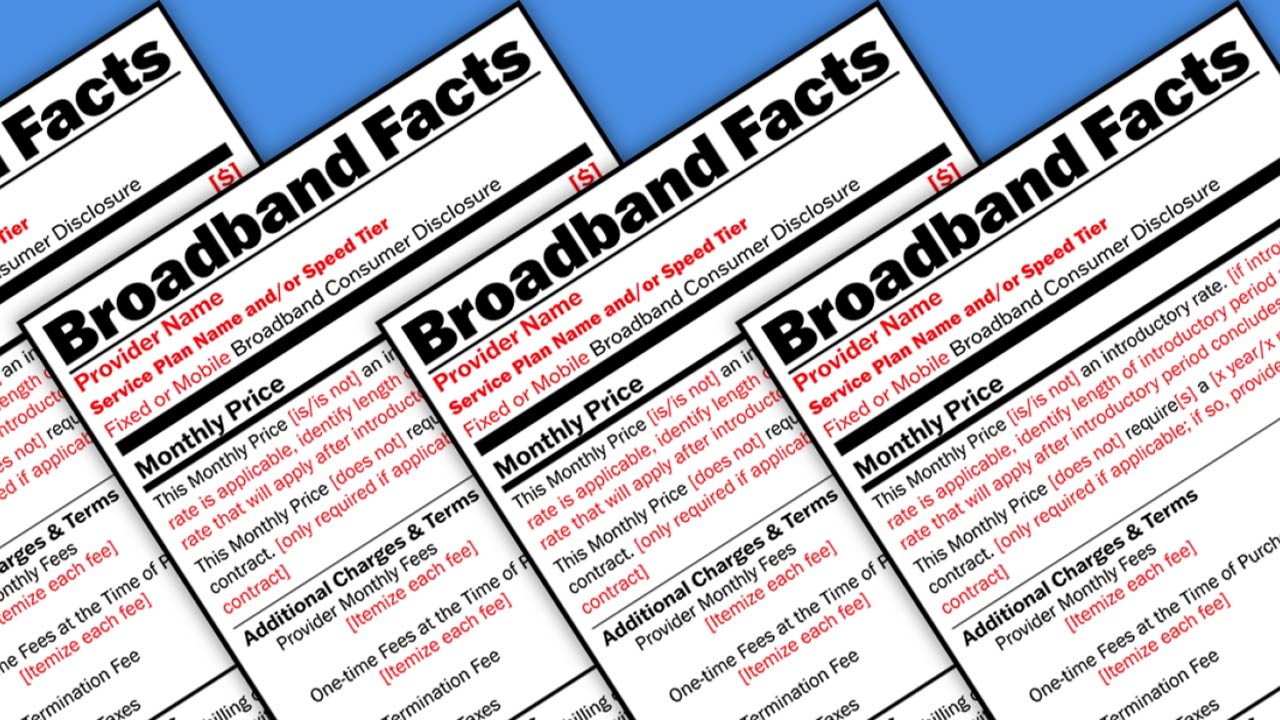
The Federal Communications Commission (FCC) has finally announced the enforcement of Broadband Consumer Labels across the United States. Internet service providers (ISPs) must now display detailed labels (akin to food nutrition labels) that provide clear information about broadband prices, speeds, data allowances, and additional relevant details at points of sale, both online and in physical stores. Continue Reading →

Get Briefed Every Day!

Subscribe to my daily newsletter featuring current events and the top stories in AI, technology, media, and marketing.

Subscribe