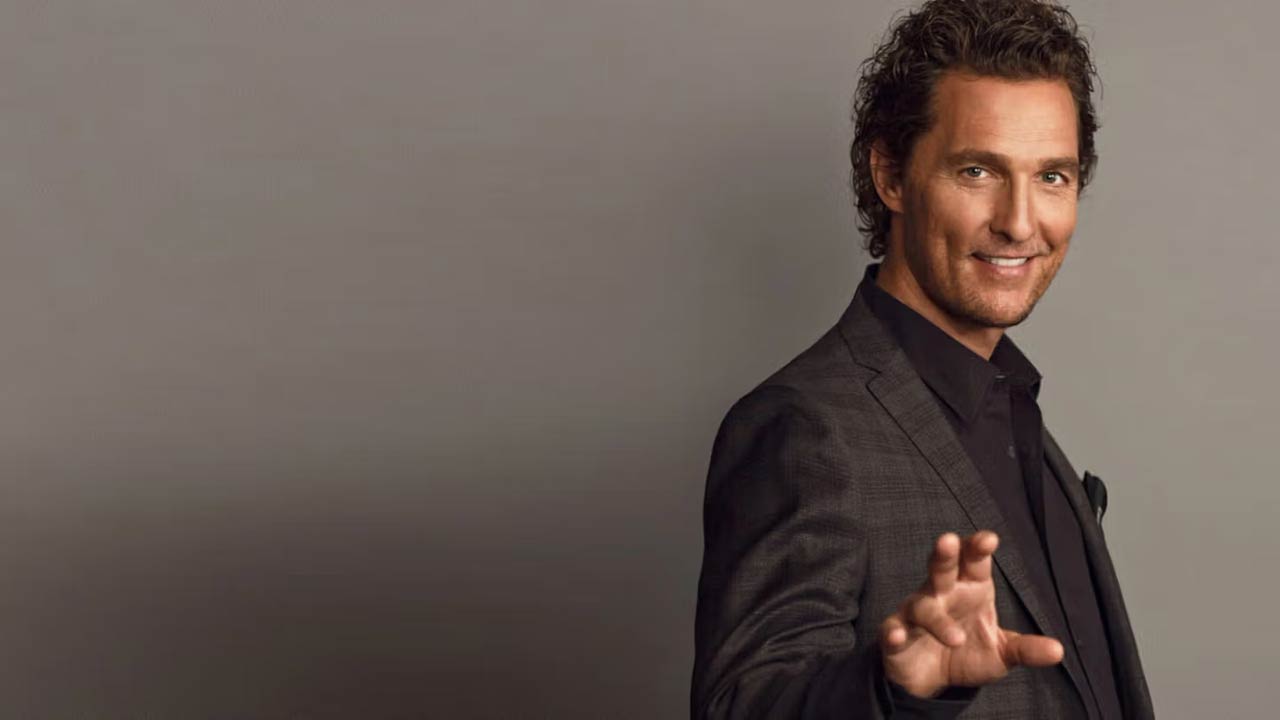
Is AI cloning Matthew McConaughey “alright, alright, alright”? Only if he approves. The actor just trademarked himself to prevent AI companies from using his likeness without permission. The U.S. Patent and Trademark Office has approved eight applications for video and audio clips, including a recording of his signature catchphrase from Dazed and Confused. His lawyers admit they have no idea if this strategy will hold up in court.
The strategy is novel. Actors typically rely on statutory publicity rights to prevent unauthorized use of their likeness. Those laws vary by state and move slowly. Trademarks are federal and come with clearer enforcement mechanisms. McConaughey’s team is betting that the threat of a federal lawsuit will deter AI companies from cloning him, even if the legal theory is untested.
Interestingly, McConaughey is not fighting AI. He is an investor in ElevenLabs and partnered with the company to create a Spanish-language version of his newsletter. His statement to the Wall Street Journal framed the goal clearly: “We want to create a clear perimeter around ownership with consent and attribution the norm in an AI world.”
The AI licensing economy is taking shape faster than the courts can keep up. OpenAI pays publishers. ElevenLabs signs voice actors. Getty licenses images. McConaughey’s trademark filings are a bet that federal intellectual property law can fill the gap while legislators and judges figure out the rules. The legal framework remains unsettled, but the trendline favors consent-based licensing.
Author’s note: This is not a sponsored post. I am the author of this article and it expresses my own opinions. I am not, nor is my company, receiving compensation for it. This work was created with the assistance of various generative AI models.
About Shelly Palmer
Shelly Palmer is the Professor of Advanced Media in Residence at Syracuse University’s S.I. Newhouse School of Public Communications and CEO of The Palmer Group, a consulting practice that helps Fortune 500 companies with technology, media and marketing. Named LinkedIn’s “Top Voice in Technology,” he covers tech and business for Good Day New York, is a regular commentator on CNN and writes a popular daily business blog. He's a bestselling author, and the creator of the popular, free online course, Generative AI for Execs. Follow @shellypalmer or visit shellypalmer.com.