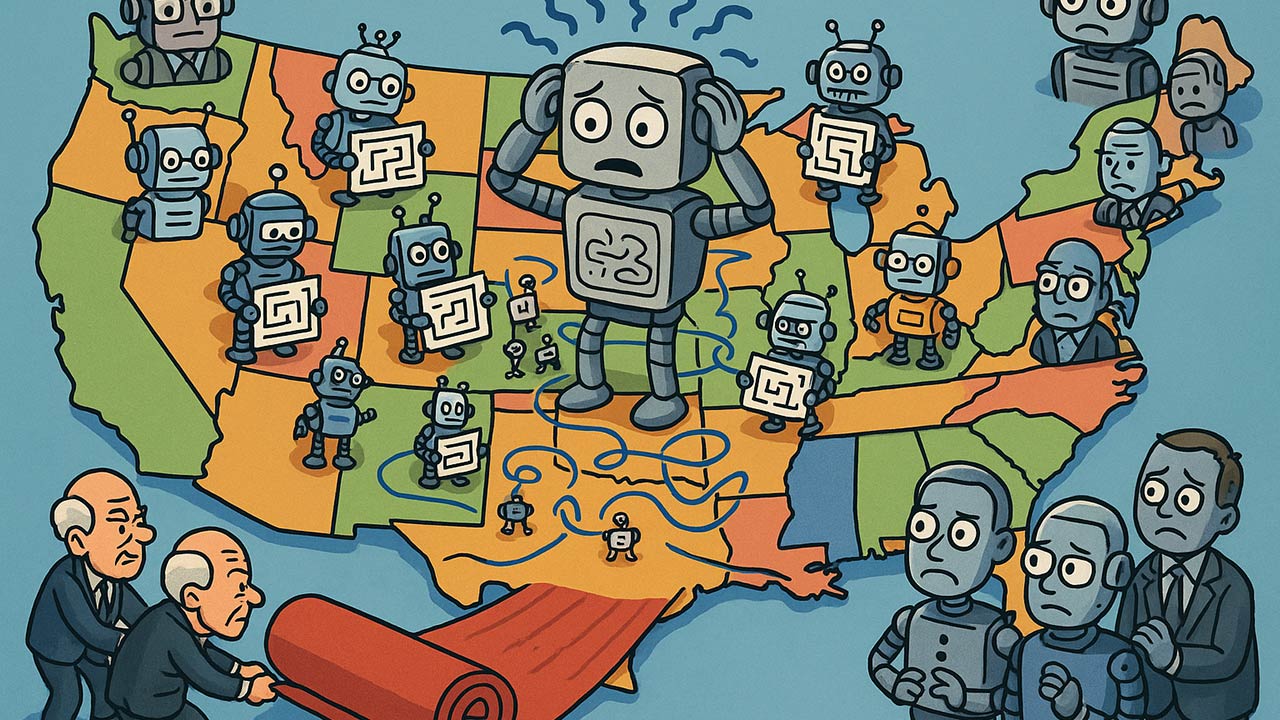
On July 1, the U.S. Senate voted 99-1 to remove a proposed 10-year federal ban on state-level AI regulation from President Trump's comprehensive tax-cut and spending bill. The amendment, introduced by Republican Senator Marsha Blackburn, was adopted during a marathon "vote-a-rama" session. Continue Reading →


Balancing 1A with AI

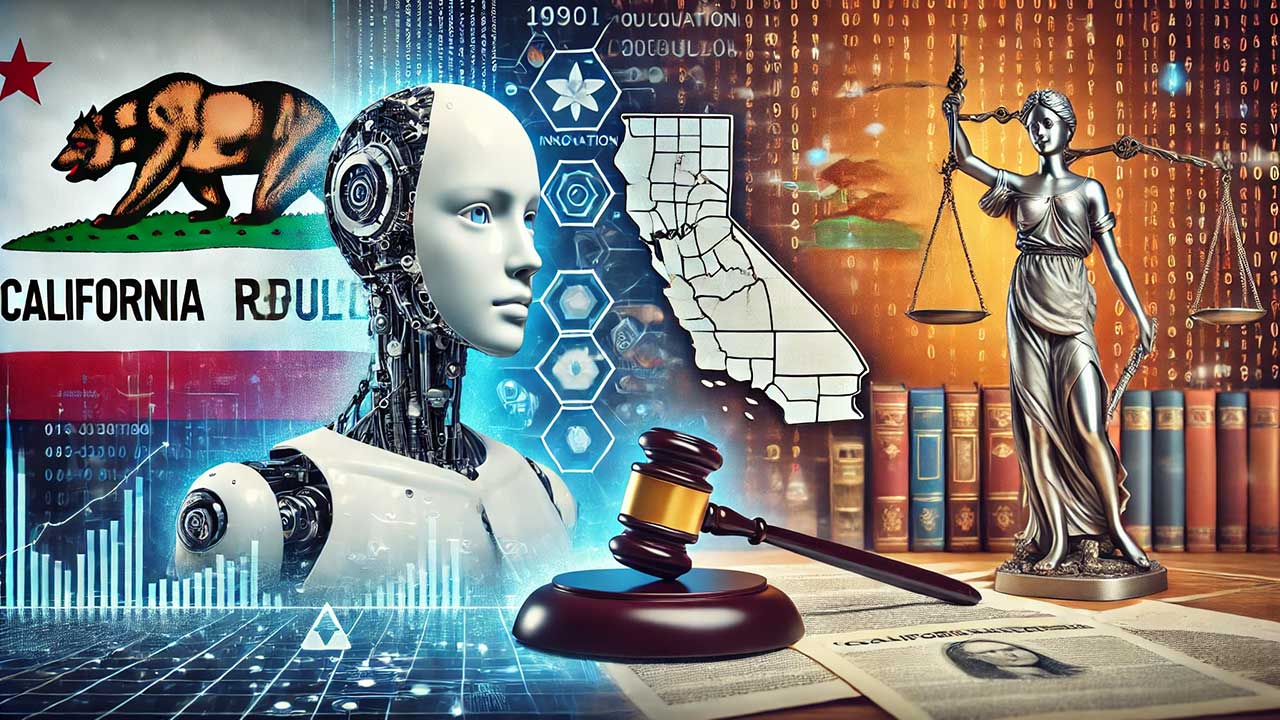
A federal judge has issued a preliminary injunction blocking the enforcement of California’s new AI law, AB 2839, which was signed into law by Governor Gavin Newsom less than two weeks ago. The law was designed to target distributors of AI-generated deepfakes on social media, particularly those that depict political candidates in ways that might confuse voters. Continue Reading →
Do we need AI regulation? Can we articulate a specific danger? If so, how far should the regulations go? Who will they protect? How will they be enforced? How can we accomplish the protections we need and still foster and encourage innovation? These are all rational questions that, one would hope, lawmakers are asking themselves as they craft our laws. Continue Reading →
The European Union's Artificial Intelligence Act (EU AI Act) officially came into effect on August 1, 2024. This landmark regulation sets a comprehensive framework for the development, deployment, and use of AI systems within the EU, impacting a wide range of sectors and imposing new compliance requirements on businesses globally, including those based in the U.S. Continue Reading →
The European Union has finalized a groundbreaking law to regulate AI, potentially setting a global standard. This legislation, part of the EU's AI Act, aims to balance the rapid advancement of AI technology with necessary oversight and risk management. Key aspects include stringent requirements for AI applications deemed "high risk" in sectors like autonomous vehicles and medical devices. Continue Reading →