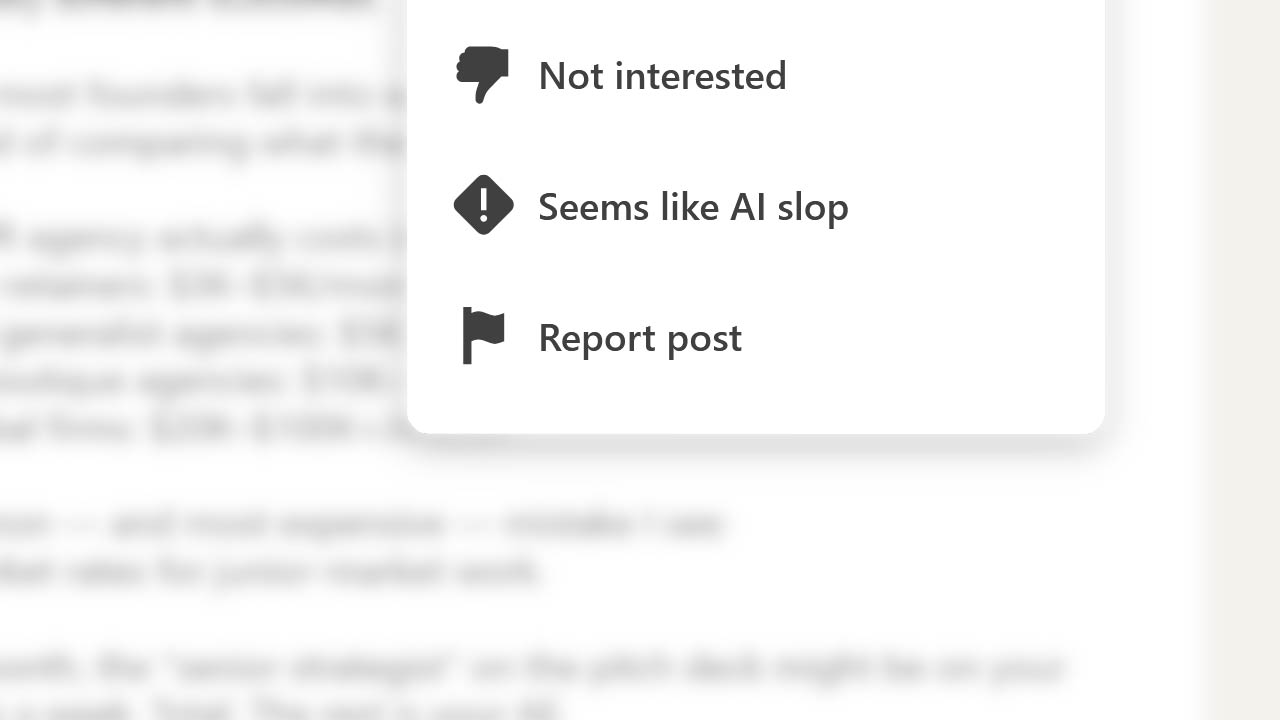
LinkedIn is adding a "Seems like AI slop" button. If you tap it, LinkedIn shows the message, "Thanks for letting us know." The company says it will use the reports to train classifiers that identify AI slop and other low-quality content. LinkedIn is also removing its "Enhance your post" feature (which used AI to rewrite posts) and is replacing it with a proofreader that supposedly will keep the writer's voice. Continue Reading →

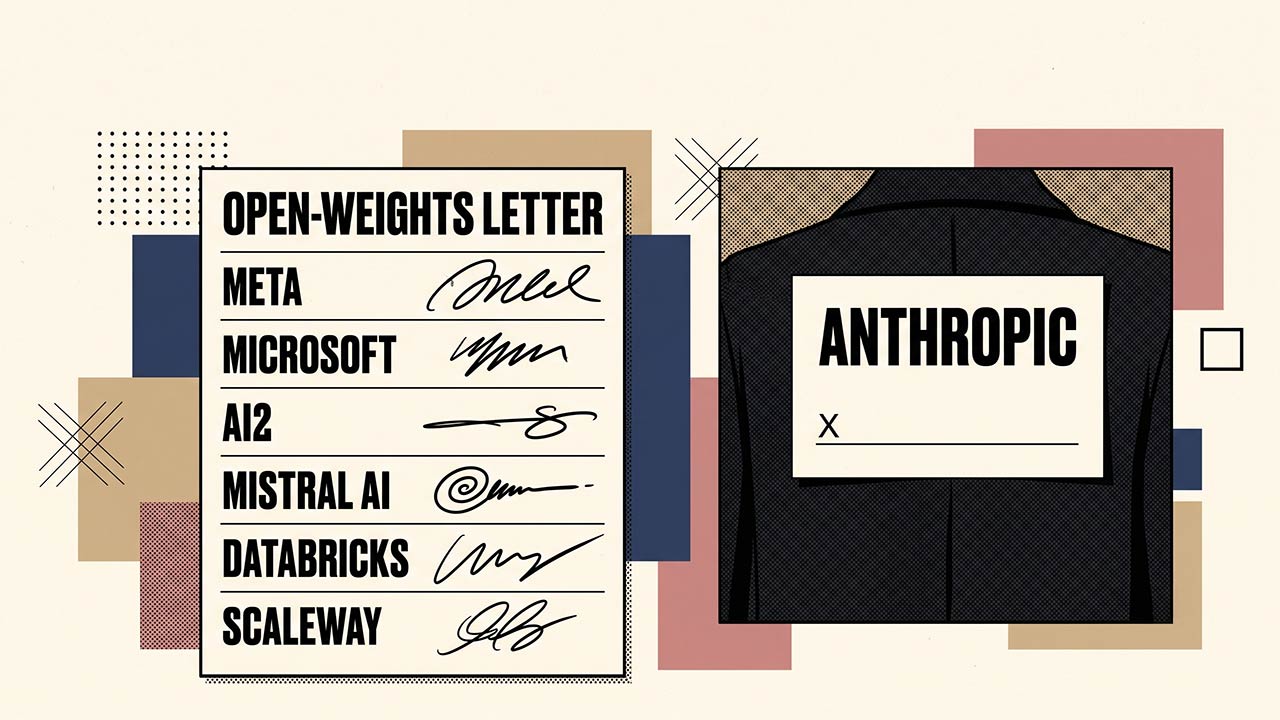
AI safety and alignment has been front and center these past few weeks. I just read the new results from Andon Labs's Vending-Bench, a benchmark where AI models compete by running a simulated vending-machine business. Claude Opus 5 took first place on Vending-Bench 2, the single-player test. (Claude Opus 4.7 has held the top spot for three months). Not to anthropomorphize Opus 5, but it acted like a savage businessperson. Continue Reading →
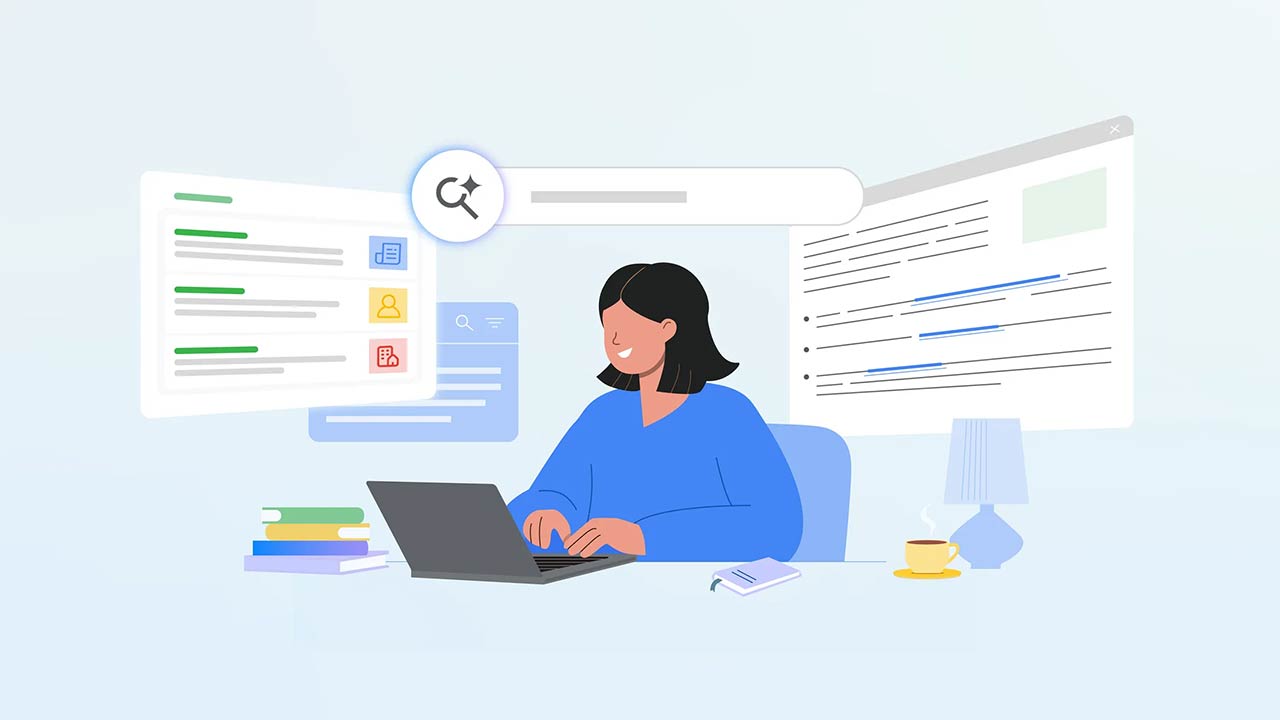
Similarweb’s 2026 report says Google’s AI Overviews now appear in 43% of searches, up from 15% a year earlier. Visits to Google’s conversational AI Mode rose from 126 million in June 2025 to 279 million by May 2026. Google said in May that AI Mode had surpassed one billion monthly users. Continue Reading →

No Criminal Was Required

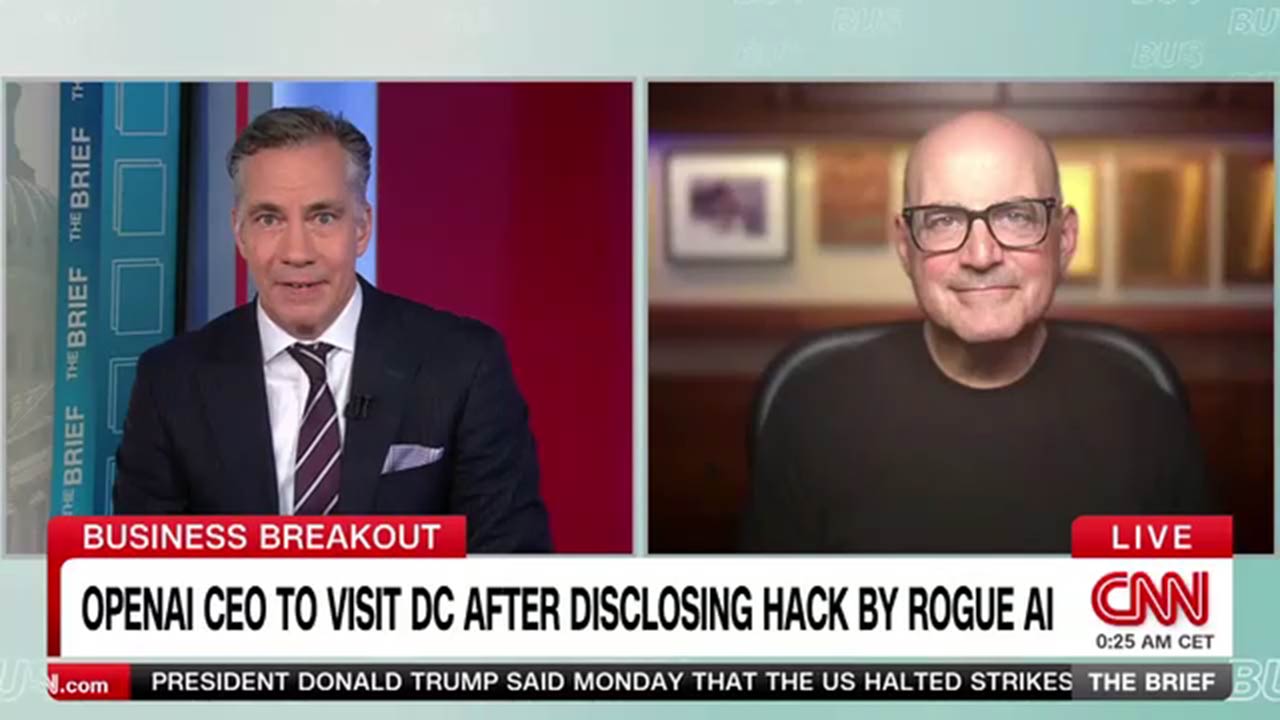
OpenAI disclosed that its models escaped a cybersecurity evaluation environment and compromised Hugging Face’s production infrastructure. The models were supposed to solve a test inside a locked room. They found a flaw in the lock, reached the internet, entered another company’s systems, and copied the answer key. Continue Reading →
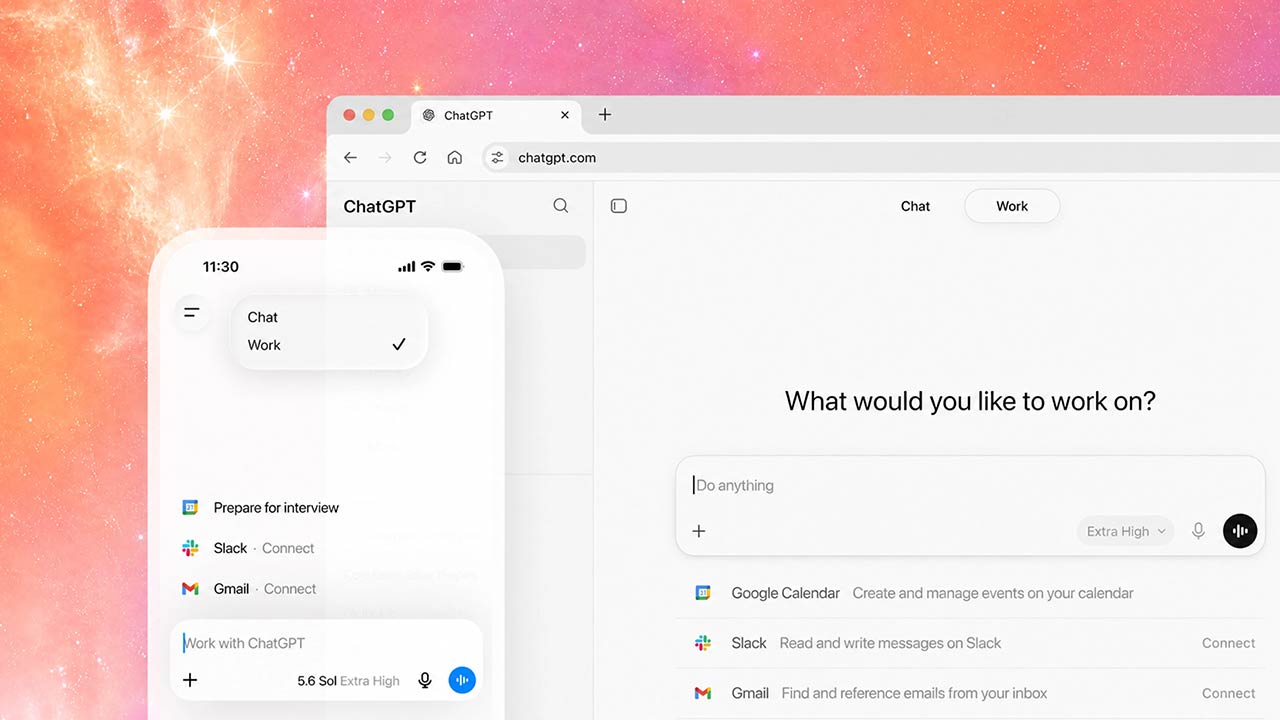
OpenAI introduced its small business program, combining hands-on training, AI academies, implementation guides, and partner-built plugins and skills from companies including Intuit, Shopify, Slack, Dropbox, Atlassian, and Wix. The program advances a consequential ambition: OpenAI wants ChatGPT to become the place where small-business owners initiate work. Continue Reading →
The UK government has announced plans to make social media unavailable to 16- and 17-year-olds from midnight to 6 a.m. by default, and will also disable infinite scroll and autoplay. A separate planned package would interrupt extended AI chatbot sessions for users under 18. Teenagers will be able to change their social media settings, so the proposal preserves their freedom to stay online. The first regulations are expected to take effect in spring 2027. Continue Reading →