The browser wars just got interesting. Reuters reported yesterday that OpenAI is launching an AI-powered web browser in the coming weeks. Three sources familiar with the matter told Reuters that OpenAI will integrate ChatGPT directly into browsing, letting AI agents fill out forms, book reservations, and handle tasks without clicking through to websites. Continue Reading →
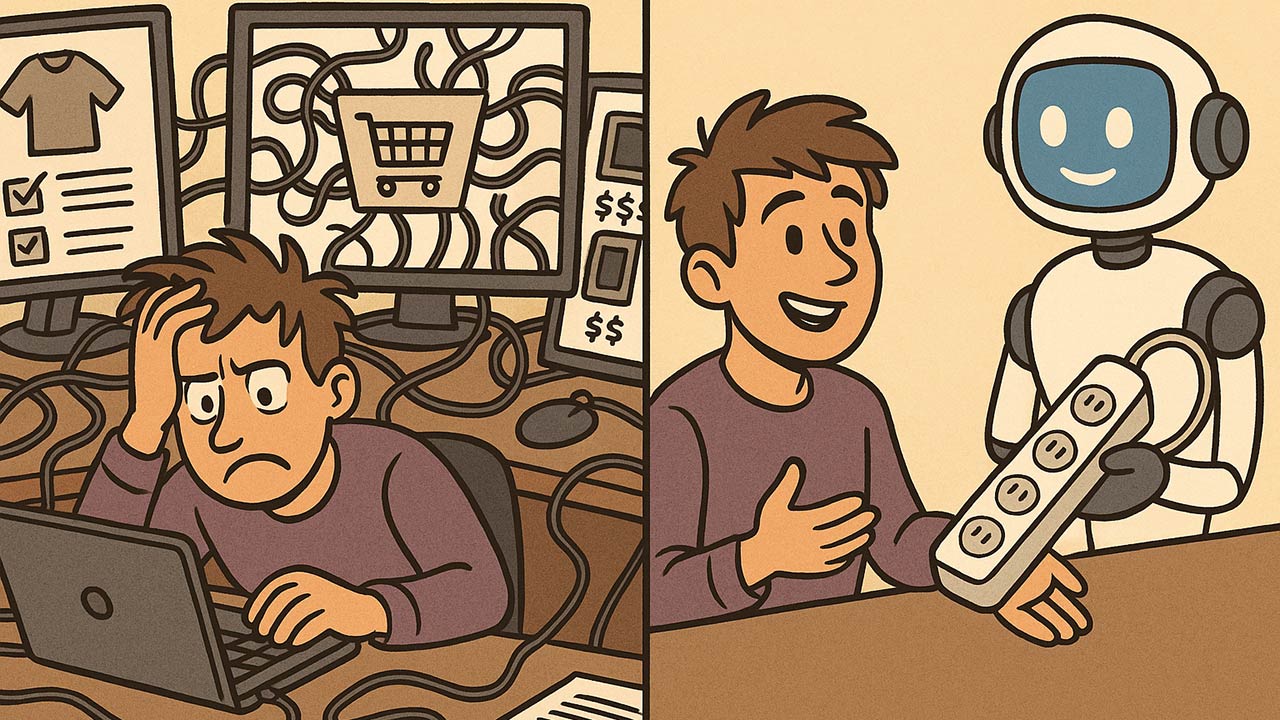
This week has been full of hands-on AI experiments. Yesterday, we built a web-based “Yiddish Curse Generator” in under 10 minutes by simply describing it to Claude Code. Today, we’re hunting for Prime Day deals, not by browsing Amazon, but by asking ChatGPT (or any AI platform with web access) to find exactly what we want. Continue Reading →
I received quite a few emails questioning the thesis of my Sunday essay, What Happens When English Becomes the Only Programming Language You Need? Rather than answer all of you individually, here's a quick case study. Continue Reading →
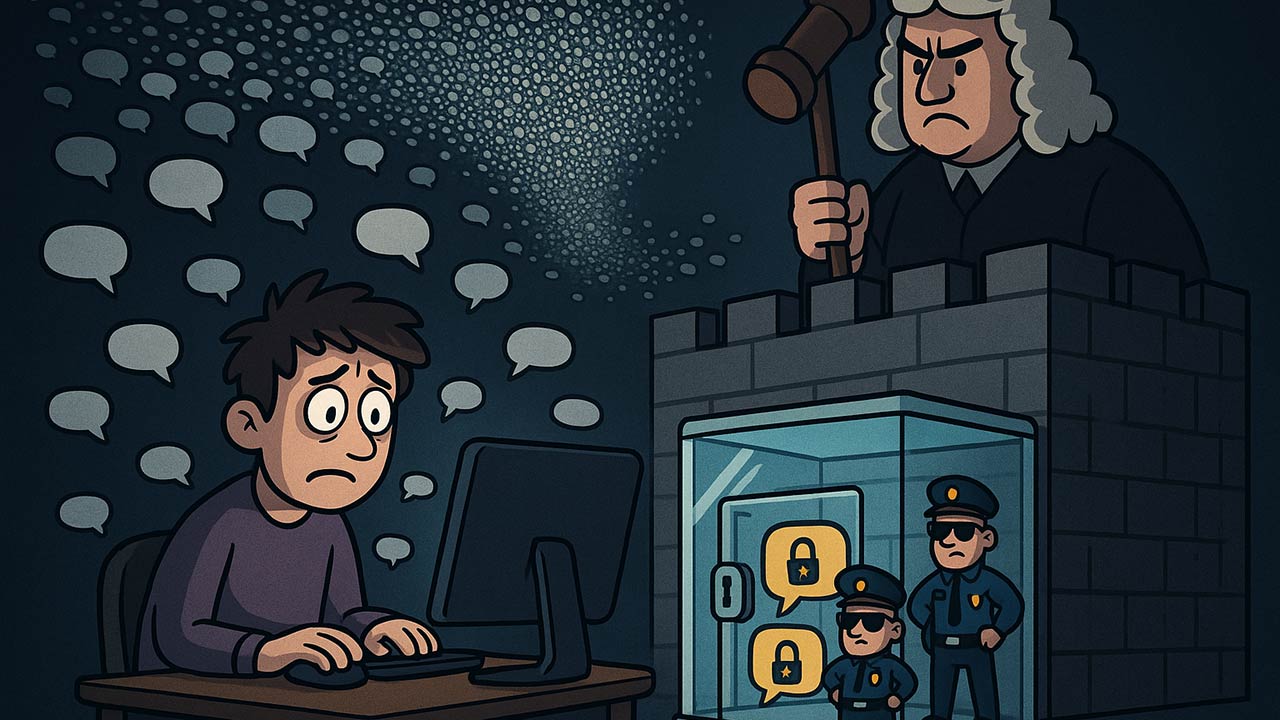
If you've been following the The New York Times Company v. Microsoft Corporation (1:23-cv-11195) case, you may wake up this morning worrying that New York Times lawyers will soon comb through your late‑night ChatGPT confessions. Breathe easy – they almost certainly will not. Continue Reading →
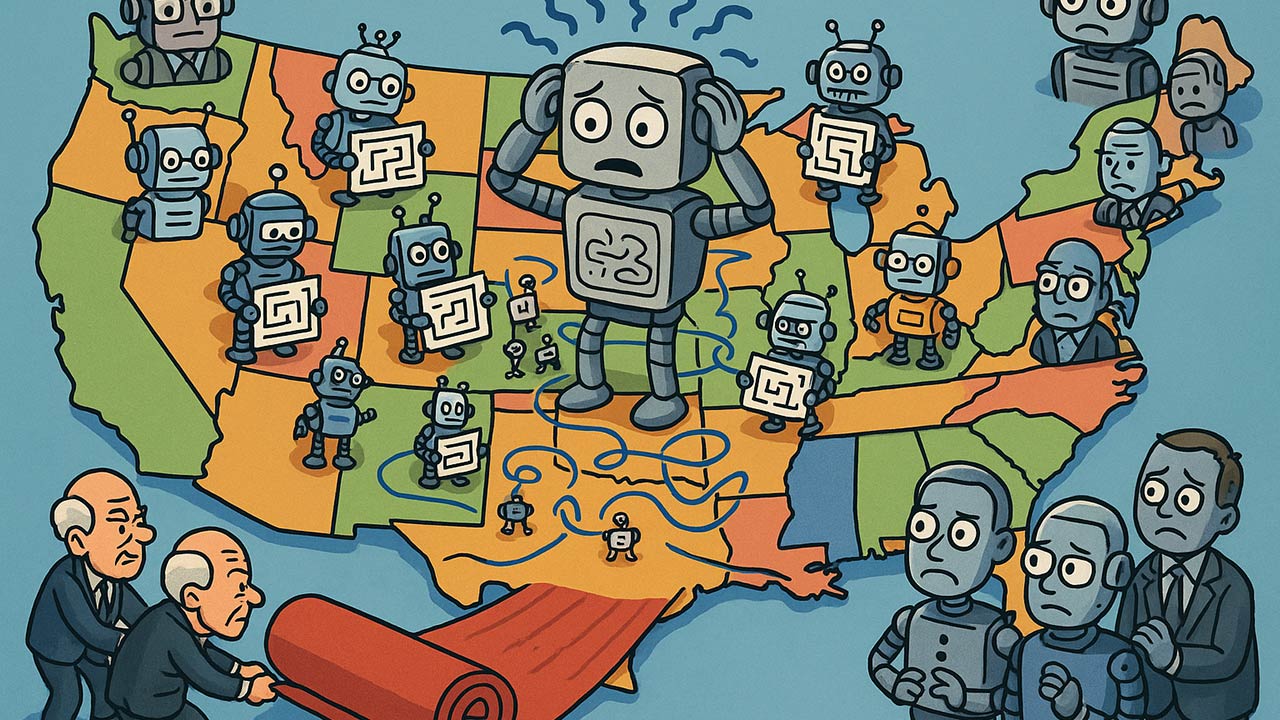
On July 1, the U.S. Senate voted 99-1 to remove a proposed 10-year federal ban on state-level AI regulation from President Trump's comprehensive tax-cut and spending bill. The amendment, introduced by Republican Senator Marsha Blackburn, was adopted during a marathon "vote-a-rama" session. Continue Reading →
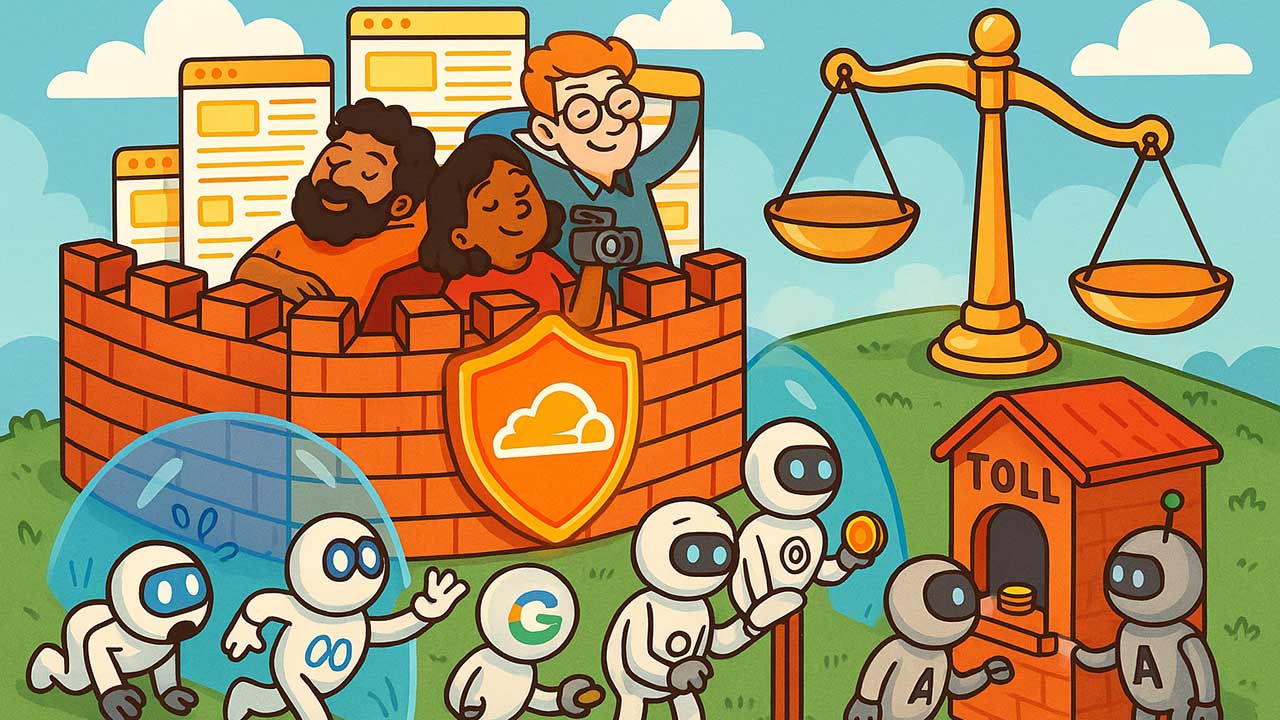
The rules of AI training have just changed. By default, Cloudflare will now block AI scrapers across the millions of websites it protects (roughly 24% of all sites on the internet). Any AI company seeking to crawl a Cloudflare-hosted site will have to obtain explicit permission from the content owner. This is the first infrastructure-level defense of its kind. Continue Reading →
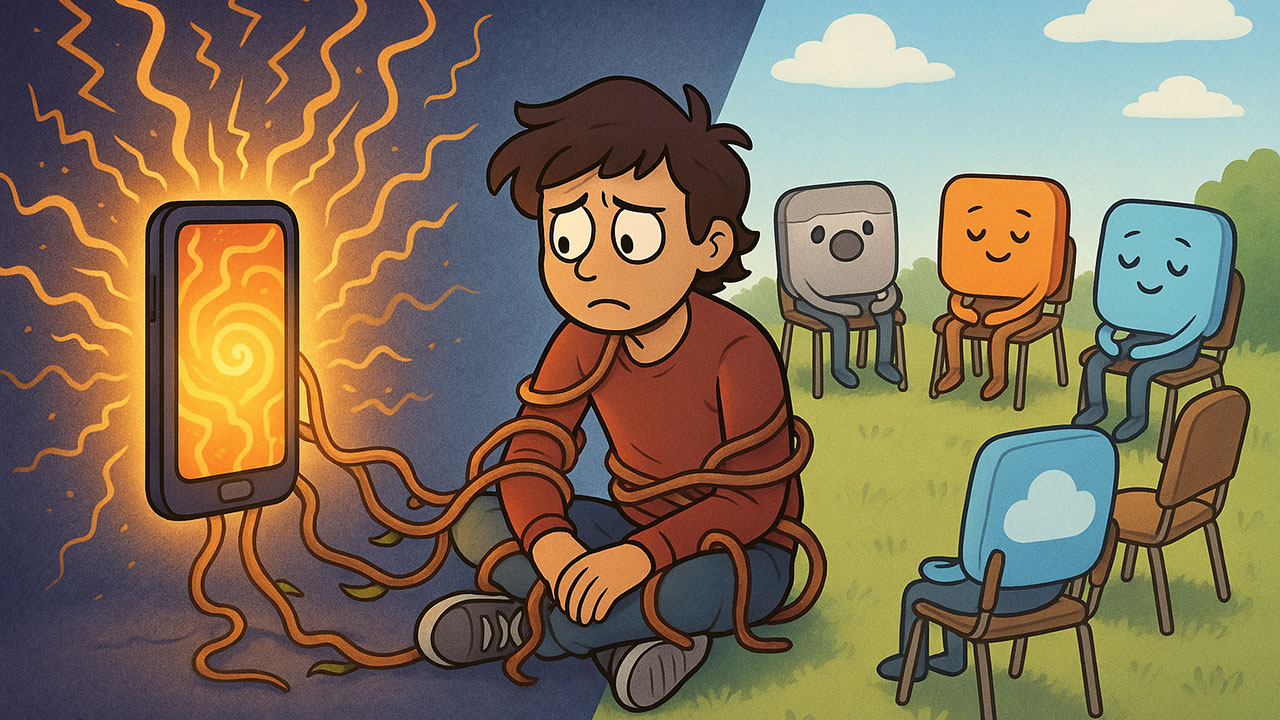
Are chatbots good for us or bad for us? Are they making us smarter, stupider, better, worse? One thing has become clear: the rise of AI chatbots has led to a new form of digital dependency. Users are forming compulsive relationships with conversational agents. This isn't a fringe concern; support systems are emerging to address this issue. Continue Reading →
Meta scored a decisive victory in federal court this week. A lawsuit filed by thirteen authors – including Sarah Silverman, Richard Kadrey, and Christopher Golden – accusing Meta of copyright infringement was largely dismissed by U.S. District Judge Vince Chhabria. Continue Reading →