At this year’s Consumer Electronics Show (CES) in Las Vegas, artificial intelligence wasn’t just living inside chatbots — it was walking, boxing, folding laundry, and hinting at a future where robots may finally earn a place in our homes.
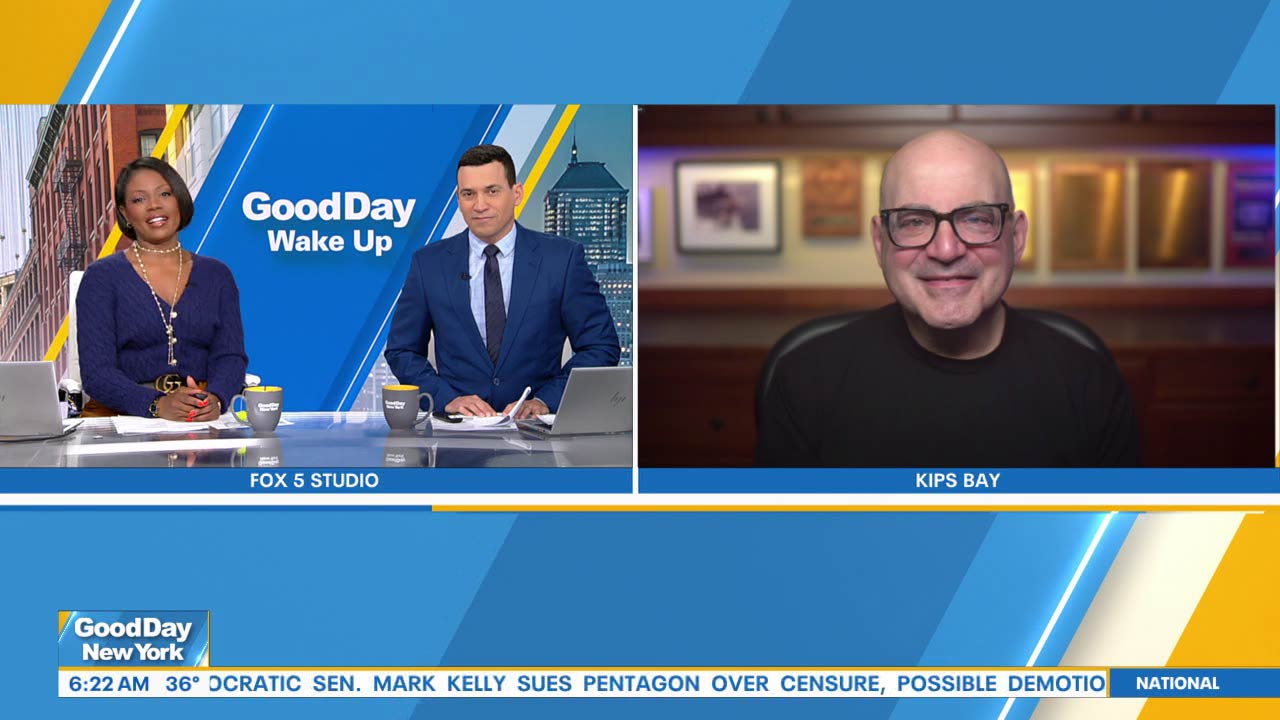
Tech expert Shelly Palmer, Professor of Advanced Media in Residence at Syracuse University’s Newhouse School of Public Communications, joins Fox 5 New York to break down the most surprising and revealing AI robots he saw on the CES show floor.
From a humanoid boxing robot you can literally step into the ring with — including models from Unitree and EngineAI inspired by The Terminator — to slow-moving but promising household robots capable of folding laundry, CES offered a rare up-close look at what personal robotics can (and can’t) do today.
Shelly explains why these robots are still years away from everyday usefulness, what’s holding them back, and why price matters more than novelty. With some robots targeting prices under $20,000 — and future models potentially dropping into the $5,000–$7,000 range — the conversation shifts from science fiction to real-world adoption.
Are we looking at the early ancestors of Rosie the Robot, R2-D2, or C-3PO? Or are we still watching the future move in slow motion?
This segment explores:
— Why CES 2026 marked a turning point for physical AI
— What robots can realistically do right now
— How close we are to a true “zero-labor household”
— When consumers might actually buy a robot for their home
— The future of robotics is coming — just not as fast as the demos make it look.
Original Airdate: January 13, 2026
Author’s note: This is not a sponsored post. I am the author of this article and it expresses my own opinions. I am not, nor is my company, receiving compensation for it. This work was created with the assistance of various generative AI models.
About Shelly Palmer
Shelly Palmer is the Professor of Advanced Media in Residence at Syracuse University’s S.I. Newhouse School of Public Communications and CEO of The Palmer Group, a consulting practice that helps Fortune 500 companies with AI strategy, implementation and governance, as well as technology, media and marketing. Named one of LinkedIn’s Top Voices in Technology, he is a bestselling author, covers tech and business for Fox 5’s Good Day New York, is a regular commentator on CNN, and writes the popular daily business blog Think About This. Follow @shellypalmer or visit shellypalmer.com.