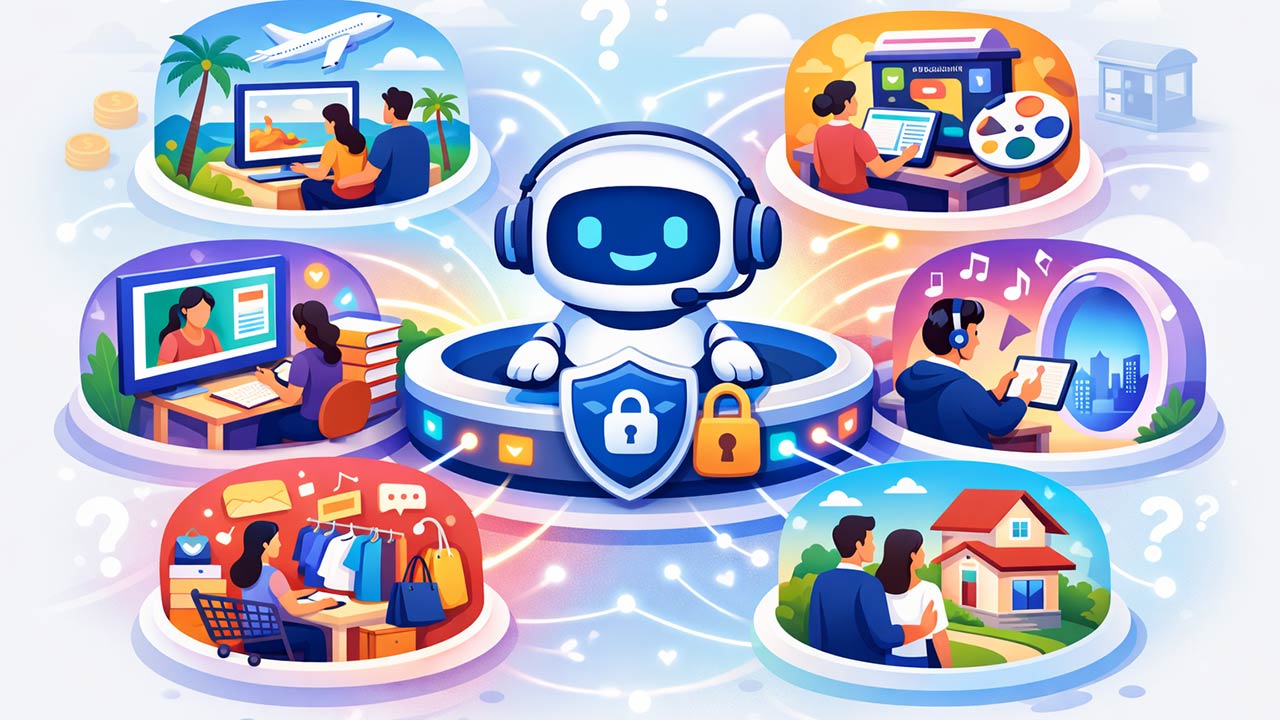
It’s official: ChatGPT is now a distribution platform. OpenAI announced the Apps SDK at DevDay in October, and this week opened general submissions through its Developer Platform. If you want to see it in action, early partners (like Booking.com, Canva, Coursera, Expedia, Figma, Spotify, and Zillow) are already live.
Apps extend conversations by bringing in new context and letting users take actions like ordering groceries, turning an outline into a slide deck, or searching for an apartment. The goal is to keep users inside ChatGPT for entire workflows rather than switching between tabs and apps.
For now, developers can only monetize by linking out to external websites for physical goods. Digital goods, subscriptions, and in-app purchases are not yet permitted, but OpenAI says it is exploring additional options. Every foundational model builder and all of the hyperscalers are going to figure out where to put their toll booths. At some point (sooner than later), these interactions are going to be monetized.
As for privacy, OpenAI requires apps to minimize data collection and prohibits requesting full chat transcripts or broad contextual data. Any action that sends data outside ChatGPT must be clearly labeled and require user confirmation. What remains unclear is how OpenAI itself handles the data passed between ChatGPT and third-party apps, and whether that data feeds model training. It’s a question worth asking before you integrate.
If the ecosystem scales, ChatGPT will become a platform in the traditional sense: distribution, discovery, and developer economics all running through OpenAI’s interface. Or… these could go the way of Alexa Skills. (Remember those?) It’s too early to tell.
Author’s note: This is not a sponsored post. I am the author of this article and it expresses my own opinions. I am not, nor is my company, receiving compensation for it. This work was created with the assistance of various generative AI models.
About Shelly Palmer
Shelly Palmer is the Professor of Advanced Media in Residence at Syracuse University’s S.I. Newhouse School of Public Communications and CEO of The Palmer Group, a consulting practice that helps Fortune 500 companies with AI strategy, implementation and governance, as well as technology, media and marketing. Named one of LinkedIn’s Top Voices in Technology, he is a bestselling author, covers tech and business for Fox 5’s Good Day New York, is a regular commentator on CNN, and writes the popular daily business blog Think About This. Follow @shellypalmer or visit shellypalmer.com.